Over 50 health and environmental rights advocates push for testing, certification, and labeling of asbestos-free sand toys.
9 March 2026, Quezon City. In anticipation of World Consumer Rights Day (WCRD) on March 15, themed “Safe Products, Confident Consumers,” over 50 health and environmental rights advocates sent an urgent appeal to the Food and Drug Administration (FDA) to take timely and decisive regulatory action to ensure that all play and craft sand products available in the Philippine market are demonstrably free from asbestos, a known carcinogen with no known safe level of exposure.
The appeal for “mandatory testing, certification and labeling of asbestos-free play and craft sand products,” initiated by the toxics watchdog group EcoWaste Coalition, was triggered by recent recalls in Australia, New Zealand, and the United Kingdom, following tests confirming asbestos contamination of such products, “even when marketed as safe for children.”
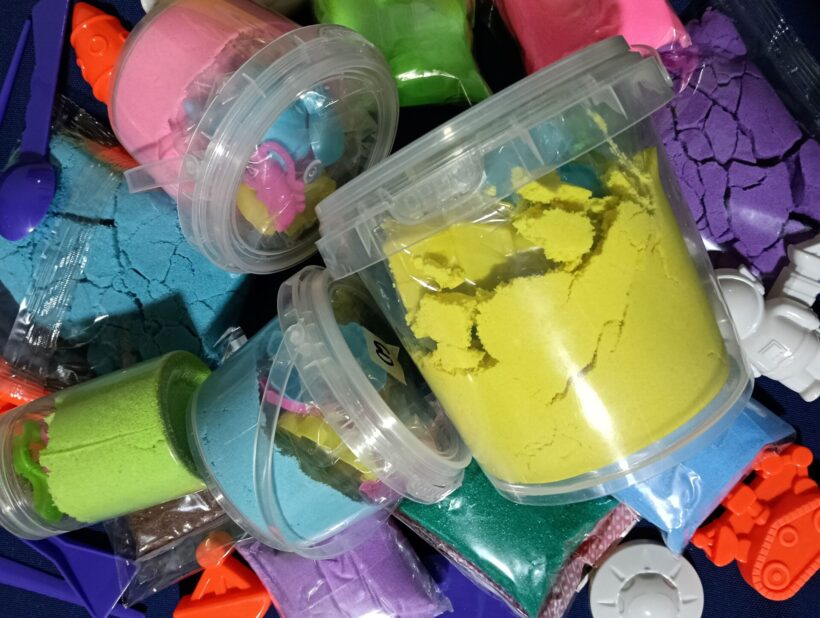
Regulatory authorities in Australia, New Zealand, and the UK have investigated play and craft sands and found trace amounts of chrysotile and tremolite asbestos in some samples.
“These incidents underscore a critical regulatory gap: products of a similar type and supply chains may already be present in the Philippine market without routine verification of asbestos safety,” they said.
The World Health Organization (WHO) classifies asbestos as one of the 10 chemicals or groups of chemicals of major public health concern. In children, the risks are compounded by developmental vulnerability and frequent hand-to-mouth behaviors, increasing the likelihood of ingestion or inhalation.
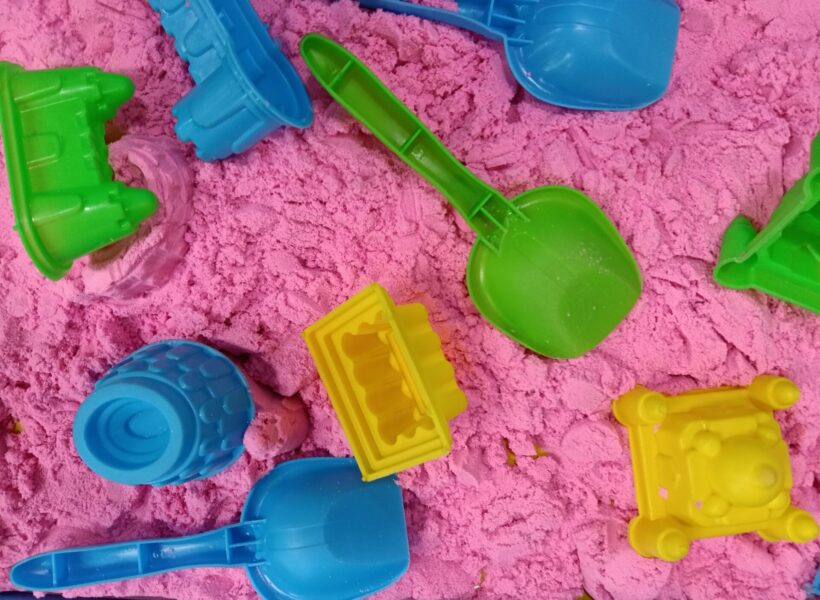
Invoking the precautionary principle, non-government organizations urge the FDA to conduct immediate sampling and asbestos analysis of colored play sands sold locally.
All forms of asbestos are already prohibited in toys and other products under the DENR Administrative Order No. 2000-02, or the Chemical Control Order for Asbestos, yet without systematic testing and certification requirements, this prohibition cannot be reliably enforced in practice, the signatories noted.
“The Philippines has already established a strong policy position against asbestos in consumer products. At this critical juncture, decisive regulatory enforcement and transparency measures are needed to translate policy into effective protection, especially for children and other at-risk members of society,” the letter said.
With these points in mind, the concerned groups and individuals appealed to the FDA to implement the following steps:
- Mandatory third-party laboratory certification confirming that all play and craft sand products are asbestos-free before market authorization;
- Clear, visible, and standardized “asbestos-free” labeling on all product packaging to support informed consumer choice;
- Strengthened post-market surveillance and enforcement, including targeted sampling of products sold through physical stores, e-commerce platforms, and social media channels.
In light of the recent international recalls and the potential for similar products to circulate locally, and in pursuit of the objectives of the Global Framework on Chemicals – For a Planet Free of Harm from Chemicals and Waste, they further urged the FDA to undertake immediate risk mitigation actions, including:
A. Conduct immediate verification to determine if products recalled abroad are locally sold and the swift recall of the same;
- Prompt market sampling and laboratory testing of currently available products, including products sold without authorization; and
- Order a precautionary, time-bound restriction on the sale of play and craft sand products pending submission of verified laboratory results by Market Authorization Holders.
These actions are consistent with the precautionary principle and reflect the State’s duty to proactively prevent harm, particularly when children’s health is at stake, and exposure risks are avoidable, the groups and individuals said.
“We stand ready to support the FDA in advancing this initiative, including through stakeholder engagement and public awareness efforts. We respectfully seek your urgent consideration of the above recommendations to ensure that no child in the Philippines is exposed to preventable risks from contaminated play products,” the civil society letter to the FDA concluded.
Groups and individuals from the academic, environmental, health, science and technology, labor, and waste sectors, including the Ateneo School of Medicine and Public Health – Center for Research and Innovation (ACRI), Action for Nurturing Children and Environment (ANCE), Arugaan, Green Convergence for Safe Food, Healthy Environment and Sustainable Economy, Greepeace, Interfacing Development Interventions for Sustainability (IDIS), Living Laudato Si Movement, Mother Earth Foundation (MEF), and the Philippine Earth Justice Center (PEJC), signed the appeal sent to the FDA on March 9, 2026.
In particular, organizations working on asbestos issues extended their support, including the Associated Labor Unions – Trade Union Congress of the Philippines (ALU-TUCP); Institute for Occupational Health and Safety Development (IOHSAD); Asbestos Diseases Society of Australia (ADSA); Toxics Free Australia (TFA); Consumer Protection Organization (LPKSM) Yasa Nata Budi, Local Initiative for OSH Network (LION) and Nexus 3 Foundation, Indonesia; Consumers’ Association of Penang (CAP), Malaysia; Center for Public Health and Environmental Development (CEPHED), Nepal; Consumer NZ, New Zealand; and the Airtight on Asbestos, UK.