Greeners’ Action call for citywide scale-up of its landmark program
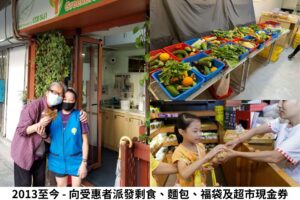
Hong Kong — 24 March 2026 – A ten-year initiative in Cheung Sha Wan has shown that Hong Kong’s wet markets can feed people, not landfills. From 2014 to 2023, Greeners Action (GA) rescued unsold produce before it could spoil, benefiting over 340,000 residents. For many elderly individuals living alone in public housing, the program provided consistent access to fresh produce and even baked goods that were otherwise destined for landfills. By saving about 440 tonnes of edible food, GA prevented 1,600 tonnes of CO2-equivalent emissions.
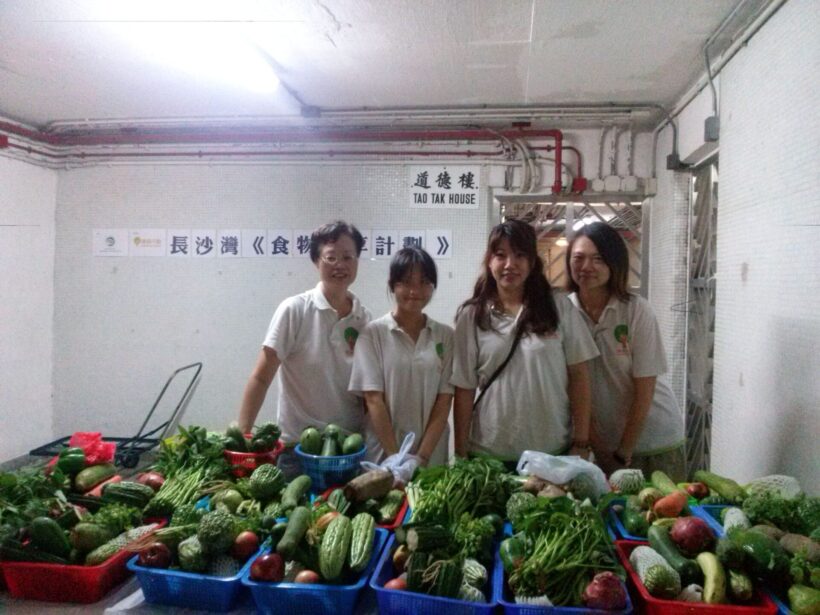
What contributed to the success of the program was the trust built within the community, not expensive technology. GA worked stall by stall, convincing vendors to donate surplus produce. Local women were hired to help with the operations, using their knowledge of the community to connect with elderly recipients and ensure delivery.
However, the programme eventually faced financial challenges and had to shut down. The program, like others, relied on government support, which in 2023 shifted to other priorities such as green buildings and energy conservation. The program also surfaced concerns that need to be addressed if such food rescue programs are to be scaled up. In Hong Kong, the sale of cooked food is well-regulated with numerous hygiene and safety requirements. However, fresh uncooked produce is not covered under these regulations. This ambiguity leaves food rescue programs in a gray zone in terms of liability if there is an untoward incident (i.e., illness or death of a beneficiary due to consumption of the produce). This ambiguity also makes vendors and stores reluctant to donate surplus food.
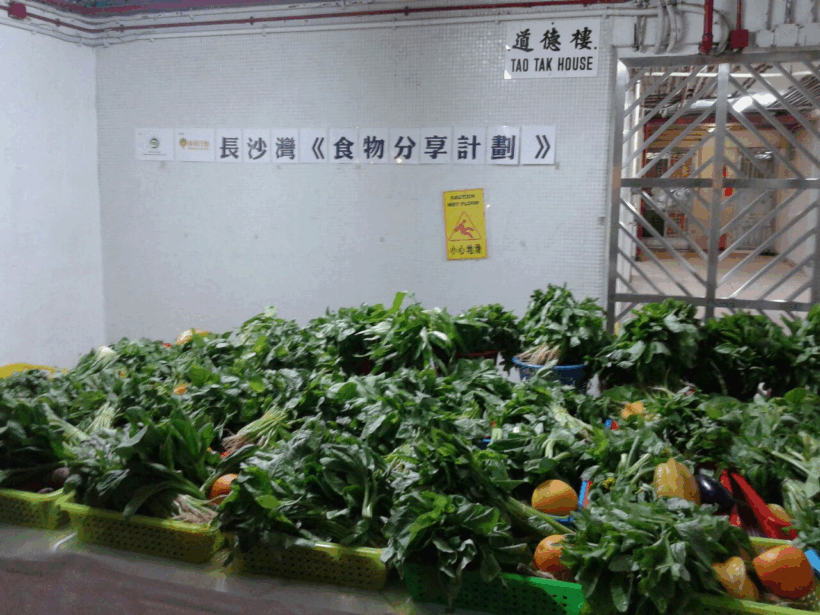
Now, GA is calling for the model to be replicated across Hong Kong’s 126 wet markets, where it is estimated that each market could save an average of 40 tonnes of food yearly. Angus Ho, GA’s Executive Director, emphasizes, “Ten years in Cheung Sha Wan has shown us that there is a practical solution to Hong Kong’s food waste. But tackling climate change while addressing social issues cannot rely on one project at a time; we need permanent service backed by public funding, not just temporary charitable efforts.”
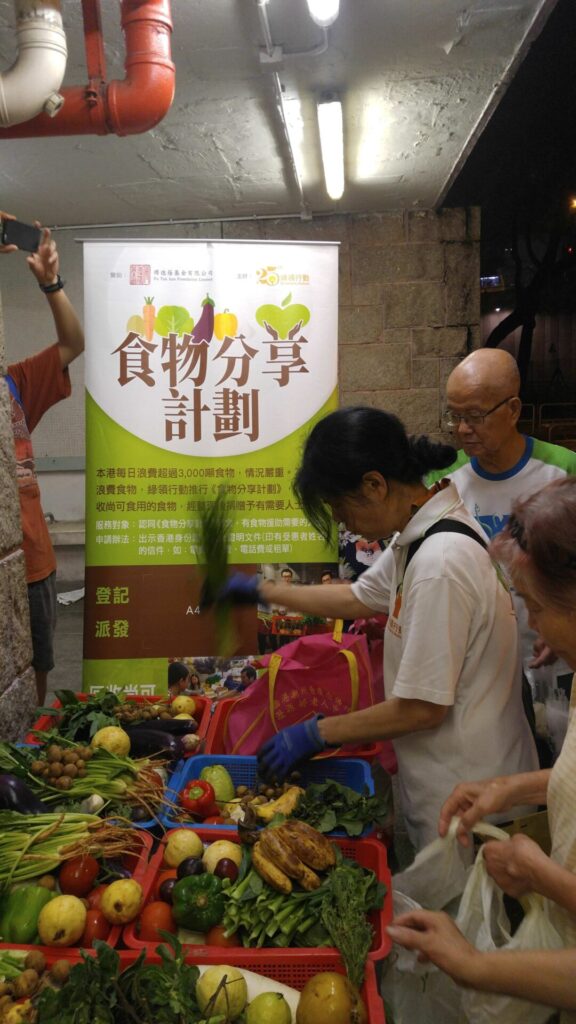
“The result in Cheung Sha Wan is a testament to the power of community-led initiatives, but they also reveal the financial and legal barriers that prevent these successes from becoming the norm,” notes Sumana Narayanan, GAIA Asia Pacific’s Deputy Director for Programs. “For cities like Hong Kong to achieve real zero waste milestones, it is necessary to implement laws that protect food donors from liability and guarantee that edible food is prioritized for people, not landfills.”
Adopting this blueprint could turn wet markets into hubs of climate action and community support, advocates say, unlocking the city’s potential to rescue 5,000 tonnes of food each year and putting it in the hands of the people who need it the most.
Follow these links to download the case study:
Related publications:
This study was made possible through the support of the Global Methane Hub.
About Greeners Action (GA):
Established in 1993, Greeners Action is a Hong Kong-based environmental charity focused on waste reduction and sustainable living. Through policy advocacy and community-driven solutions—including the landmark plastic bag levy and the “Lai See” packet reuse program—the organization works with government, business, and citizens to create a more circular and resilient Hong Kong.
About GAIA:
GAIA is a network of grassroots groups as well as national and regional alliances representing more than 1000 organizations from 92 countries. With our work, we aim to catalyze a global shift towards environmental justice by strengthening grassroots social movements that advance solutions to waste and pollution. We envision a just, Zero Waste world built on respect for ecological limits and community rights, where people are free from the burden of toxic pollution, and resources are sustainably conserved, not burned or dumped. www.no-burn.org