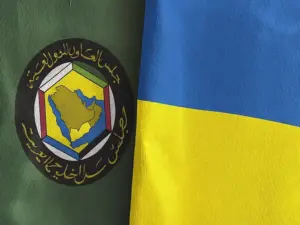
The combined effect of the UAE and Saudi Arabia exerting pressure on Russia could really harm its interests.
Zelensky dispatched drone experts and interceptor drones to the Gulf Kingdoms last month to aid them in thwarting Iranian attacks of the sort that Ukraine became accustomed to over the past four years due to Russia using Iranian drones (or domestically produced variants) in its own attacks. It was assessed here that he wants to prove Ukraine’s worth in this respect to raise the chances of his country’s troops replacing US ones in NATO for this purpose as a quid pro quo for NATO dispatching troops to Ukraine.
While it remains to be seen whether this strategic goal will be attained, what’s worth paying attention to right now are the security deals that Ukraine just agreed to with the Gulf Kingdoms during Zelensky’s trip to the region. Other he himself and Ukraine’s ruling clique all profiting from them, they’ll reportedlyinclude joint production, energy cooperation, and defense investments. It’s also possible that Ukraine will swap its drone interceptors for the Gulf’s Patriot missiles so as to better intercept Russian missiles.
The defense relationship that’s taking shape between Ukraine and the Gulf Cooperation Council’s (GCC) three most important members, Saudi Arabia, the UAE, and Qatar, is expected to last for at least a decade per Zelensky’s claim about these deals’ duration. While cynics might suspect that this is just an enormous money laundering operation for getting around the EU’s delay in financing Ukraine, observers would do well to take this arrangement more seriously due to dark implications for Russia’s interests.
For starters, although Putin spoke to several GCC leaders in early March as part of his efforts to mediate a political solution to the Third Gulf War, they seemingly no longer consider him to be neutral after reports about Russia sharing targeting intelligence with Iran and training it in drone warfare. The Kremlin denied these reports while the White House downplayed them, but the GCC thinks they’re credible as suggested by its top members clinching decade-long security deals with Russia’s Ukrainian nemesis.
On that topic, it’s significant that the UAE was among them since its leader Mohammed Bin Zayed is so close to Putin that he attended summer 2023’s St. Petersburg International Economic Forum as his guest of honor, plus the UAE is the largest Arab investor in Russia at 80% of the total. These investments could potentially be leveraged under pain of withdrawing them to coerce Russia into concessions to Ukraine. The UAE might leverage its role as a counter-sanctions global financial hub for Russia to that end too.
Saudi Arabia’s inclusion is no less significant since Russia coordinates with it through OPEC+ to manage the oil market, yet that might soon be a thing of the past now that Saudi Arabia arguably views Russia as Iran’s co-belligerent and just signed its own decade-long deal with Ukraine. Once the industry rebounds, however long it takes, Saudi Arabia might flood the market to undermine Russia. The combined effect of the UAE and Saudi Arabia exerting pressure on Russia could therefore really harm its interests.
To be clear, even in the worst-case scenario of Russia losing its partnerships with those two and them replacing lost EU funds for Ukraine (including possible financing for its arms industry), Russia should still be able to maintain its gradual advances in Ukraine. Nevertheless, these potential setbacks coupled with its prior ones in Syria, Armenia–Azerbaijan, Venezuela, and most recently Iran could place more pressure upon it to compromise with Ukraine, but it remains unclear whether Putin would finally concede.