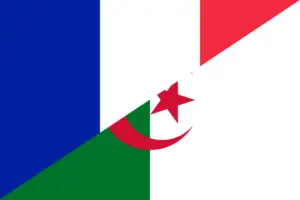
What if the growing tensions between France and Algeria were about more than diplomatic disagreements?
Beneath the disputes over immigration, Western Sahara, and trade lies a deeper geopolitical shift: Algeria’s determination to regain control over its economic and diplomatic choices, and France’s struggle to adapt to the loss of its historical influence.
The departure of Abdelaziz Bouteflika in 2019, following the popular Hirak movement, marked a turning point in Algeria’s political landscape. Under President Abdelmadjid Tebboune, the country has increasingly emphasized economic diversification, national sovereignty, and a foreign policy less dependent on traditional partners. This does not necessarily mean turning away from France, but rather redefining the relationship on terms that better reflect Algeria’s own interests.
For decades, France enjoyed a particularly strong position in the Algerian market, supported by historical ties, established business networks, and extensive commercial relationships. However, that position is increasingly being challenged. Algeria has expanded its cooperation with China in infrastructure and industrial development, strengthened energy ties with Italy, maintained strategic relations with Russia, pursued closer economic and diplomatic engagement with the United States, and welcomed growing Turkish investment. This broader network of partnerships gives Algiers greater freedom to negotiate and reduces its reliance on any single foreign power.
This transformation raises an important question: is France prepared to accept a relationship in which it is no longer Algeria’s preferred or dominant partner? French companies once benefited from considerable advantages in sectors such as food, pharmaceuticals, automotive manufacturing, industrial equipment, and services. Today, they face growing competition from countries offering alternative products, technologies, financing, and investment opportunities. Italy, China, and Turkey are particularly well positioned to benefit from this changing economic landscape.
The tensions that have intensified since 2024 must also be understood against this geopolitical background. France’s position on Western Sahara, disagreements over immigration, judicial disputes, and commercial restrictions have all contributed to the deterioration of bilateral relations. These issues are genuine, but they also reflect a broader struggle over influence, strategic interests, and the future balance of power between the two countries. While there is insufficient evidence to conclude that Paris deliberately engineered these crises, it is reasonable to examine how France’s changing position in Algeria may influence its political calculations.
The economic consequences are becoming increasingly visible. French exports to Algeria have reportedly declined significantly, while competitors are seeking to strengthen their positions. For France, this represents more than a commercial setback: it highlights the risks of losing access to a market where its businesses once enjoyed a particularly strong presence. For Algeria, diversification offers opportunities to attract new investment, negotiate better terms, and develop a more independent economy. However, replacing one dependency with another would defeat the purpose of this strategy.
At the heart of the dispute lies a fundamental issue: sovereignty and equality. Algeria wants to determine its own economic priorities, choose its international partners, and pursue diplomatic relationships without external pressure. As a sovereign state with considerable energy resources and a strategically important geographical position, it has both the capacity and the ambition to play a more independent role on the international stage.
France, meanwhile, faces the challenge of adapting to a relationship that can no longer be defined by historical privilege or inherited influence. It has every right to defend its economic and political interests, but so does Algeria. A genuine partnership requires reciprocity rather than expectations of preferential treatment.
Ultimately, the crisis may represent the end of an old chapter in French-Algerian relations. The historical connection between the two nations remains important, but it can no longer serve as a basis for unequal expectations. Algeria is not necessarily seeking a break with France; it is seeking the freedom to cooperate with France on the same terms it offers other countries.
The real question is no longer whether Algeria will remain close to France, but whether France is ready to accept an Algeria that makes its own decisions.