A Sustainable Future and Human Rights
By Rita Bhowmick (Dhaka Bureau)
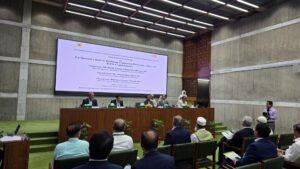
The core foundation of a nation’s sustainable development and human dignity rests upon safeguarding the rights of its women, girls, and young people. Rooted in this vision, the Bangladesh Parliament Secretariat, in partnership with the United Nations Population Fund (UNFPA), organized a vital orientation workshop on July 12, 2026, to politically and technically empower the country’s newly elected legislators. The forum brought together parliamentarians from both the ruling and opposition parties to strengthen their legislative roles in harnessing the country’s demographic dividend and achieving the Sustainable Development Goals (SDGs).
This workshop was far from a conventional political gathering; it evolved into a profound policy commitment centered on maternal and reproductive health, gender equality, youth empowerment, and the absolute eradication of systemic violence like child marriage.
Youth and Women’s Rights: The Engine of Sustainable Progress
The role of the younger generation remains pivotal in shaping a non-violent and progressive society. In his opening remarks, the Honourable Speaker of the Parliament, Hafiz Uddin Ahmad Bir Bikram, reminded the current assembly of its historic responsibility toward the future.
‘The future of Bangladesh will depend, to a large extent, on what steps this Parliament takes for young people during this decade. We must invest now in girls’ education, family planning, reproductive health services, and skills development for young people. At the same time, some of these goals will require legislative support and parliamentary initiatives.’ – Hafiz Uddin Ahmad Bir Bikram, Speaker, Bangladesh Parliament.
UNFPA experts reinforced this call, emphasizing that strategic investments in youth and ensuring women’s full economic participation are the only paths for the country to successfully reap its gender, demographic, and longevity dividends.
Confronting Structural Violence and Child Marriage
Aligning with Pressenza’s global focus on dismantling structural and cultural violence, Member of Parliament Fahima Nasrin addressed the persistent challenges of gender-based violence and child marriage. She underscored that protecting women and girls requires more than just the existence of laws; it demands stronger legal frameworks, sustained state investment, and entirely survivor-centered support systems.
Furthermore, within the context of the worsening climate crisis, Member of Parliament Dr. Mahbubur Rahman highlighted the urgency of building climate-resilient health systems. He stressed the need to expand access to quality sexual and reproductive healthcare, particularly for vulnerable and frontline communities.
New Horizon for Progressive Legislative Reforms
Advancing the rights of women, girls, and youth is not a matter of charity; it is a foundational human right. To translate these rights into concrete legal protections, UNFPA reaffirmed its commitment to providing technical expertise and fostering dialogue to modernize and reform crucial national legislation, including:
* The Child Marriage Restraint Act.
* The Prevention and Protection from Domestic Violence Act.
* Stronger, comprehensive legislation to prevent sexual harassment in the workplace.
Chaired by Deputy Speaker Barrister Kayser Kamal, the session made it unequivocally clear that building an inclusive, rights-based society requires lawmakers to transcend partisan politics, prioritize humane policy design, and ensure equitable resource allocation.
By integrating population dynamics and human development directly into the mainstream legislative process, this parliamentary initiative paves a smoother path for every woman, girl, and youth in Bangladesh to realize their potential—marking a significant step toward the shared global vision of a just, equitable, and non-violent world.
##########
The Writer:
 Rita Bhowmick: Senior Journalist and Staff Correspondent, Pressenza- Dhaka Bureau.