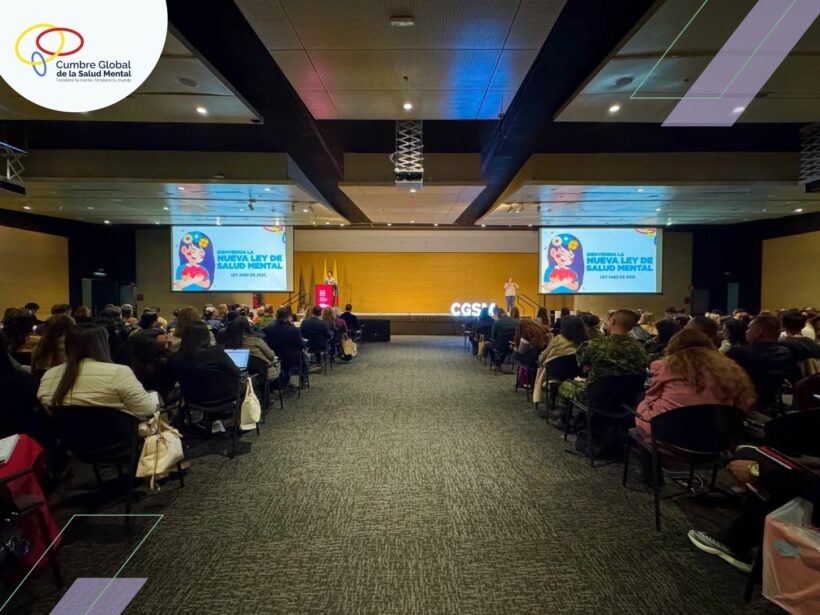
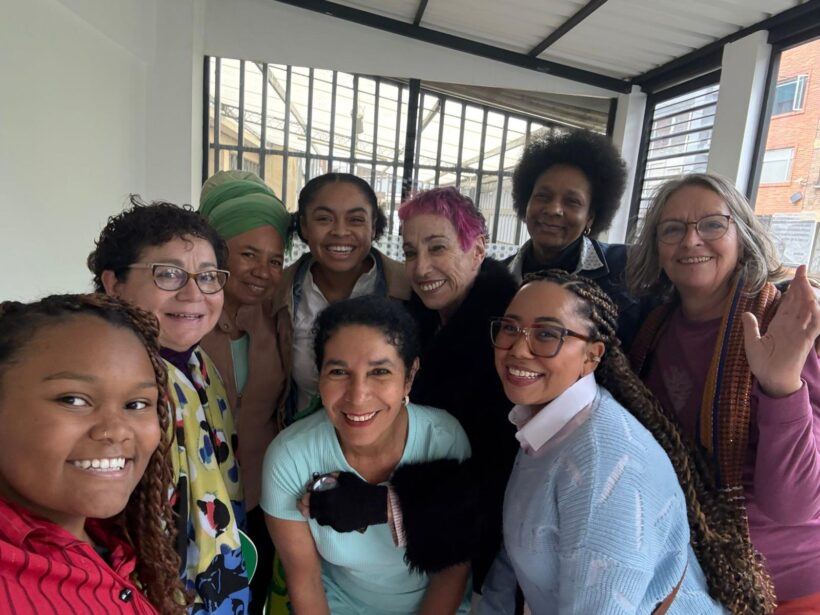
In a somewhat unstable socio-political context, a few days before October 10, the date on which World Mental Health Day is celebrated each year, Bogotá was the epicenter of a silent revolution that promises to transform the way the world understands and treats mental health.
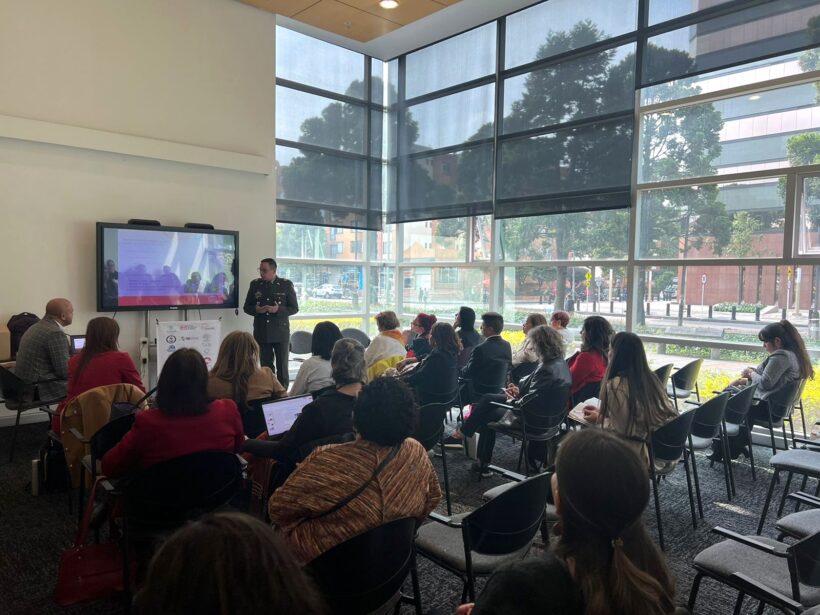
Thanks to the tireless efforts of its promoter, Patricia Mena, a psychologist, the World Summit on Mental Health was held over three days, on October 15 and 16 at the Bogotá Chamber of Commerce, and on October 17 at the Colombian Air Force Non-Commissioned Officers Club.[i]
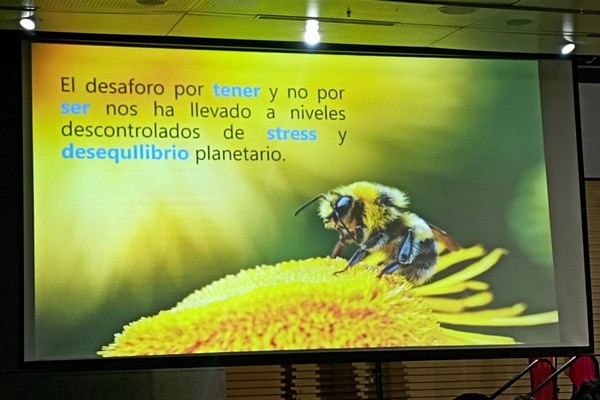
Image text: The frenzy to possess, rather than to be, has led us to uncontrolled levels of stress and planetary imbalance.
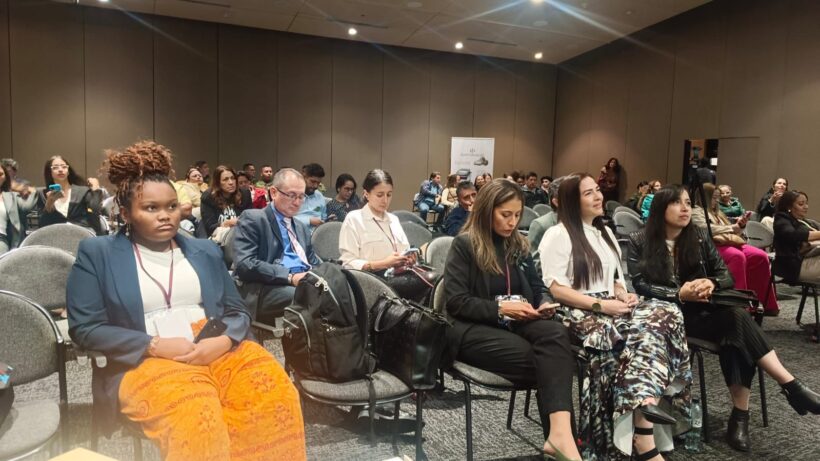
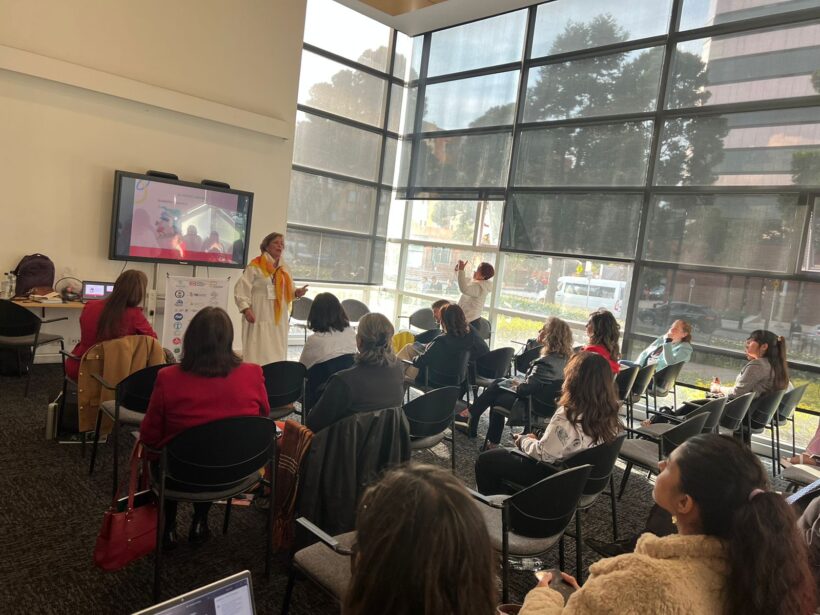
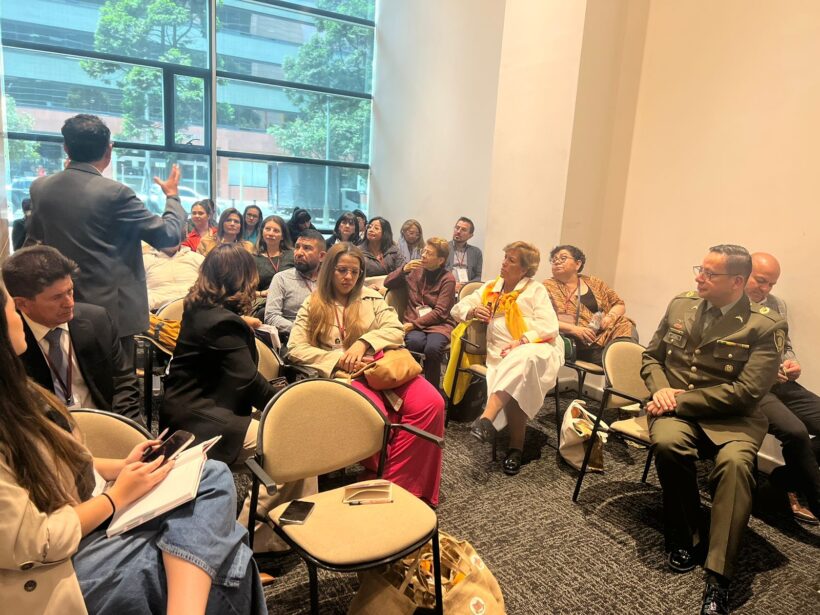
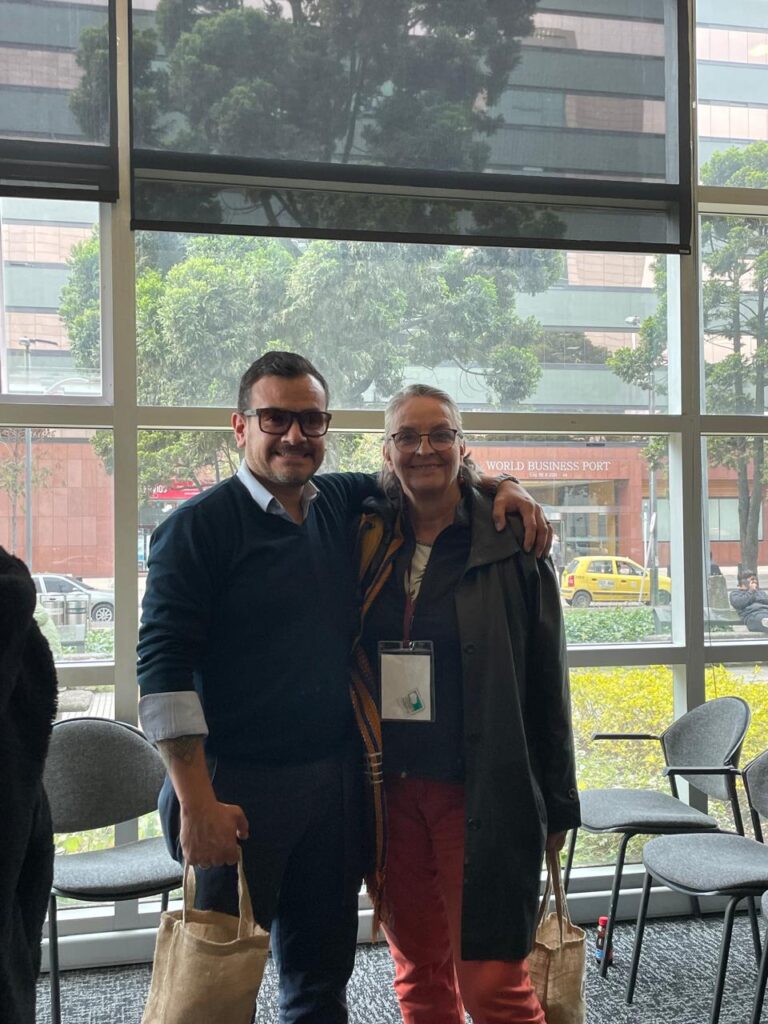
More than 150 participants, mostly Colombian but also from other Latin American countries (Mexico, Chile, Brazil, among others) and Europe (France, Spain, United Kingdom), Canada, and the United States, gathered together. They were professionals not only from the health sector, but also from the fields of law, education, culture, and sports, as well as grassroots activists and other public officials, such as military and police personnel.
They were able to present ongoing projects, share their experiences, and exchange views on the topic of mental health, providing a real opportunity to raise awareness, improve understanding, build bridges, and encourage networking.
The summit aimed to have a global impact by promoting mental health as a fundamental right and urging world leaders to legislate and put in place mechanisms to protect it. It also aimed to raise awareness of the importance of mental health by emphasizing prevention and reducing the stigma associated with mental illness.
After several pre-summits held in 2023 and 2024 in other regions of the country, this summit was structured around four main themes:
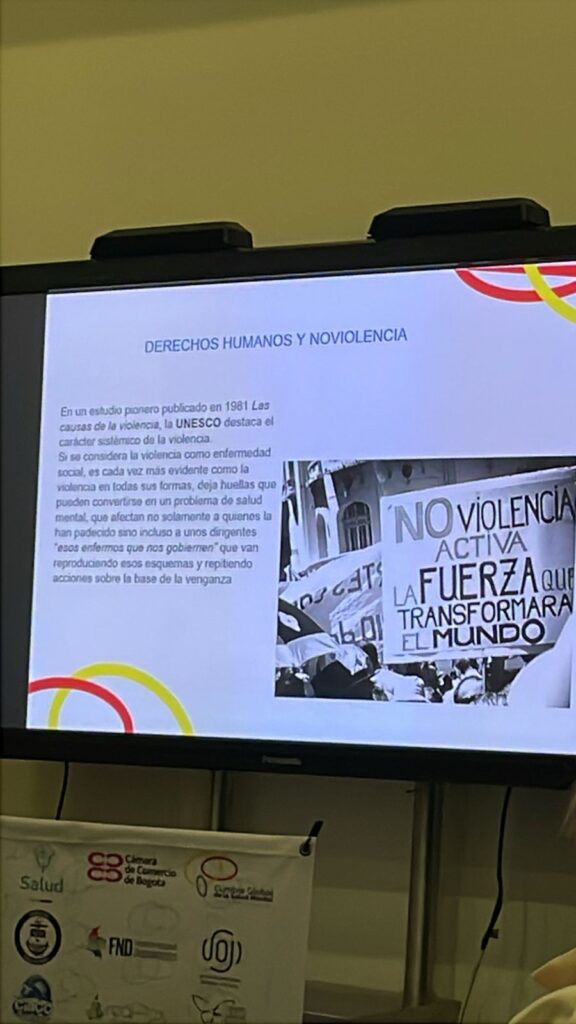
- Human rights, international humanitarian law, non-violence, non-repetition, reconciliation, and peace
- Human development, pandemics, and health
- Social inclusion and political issues
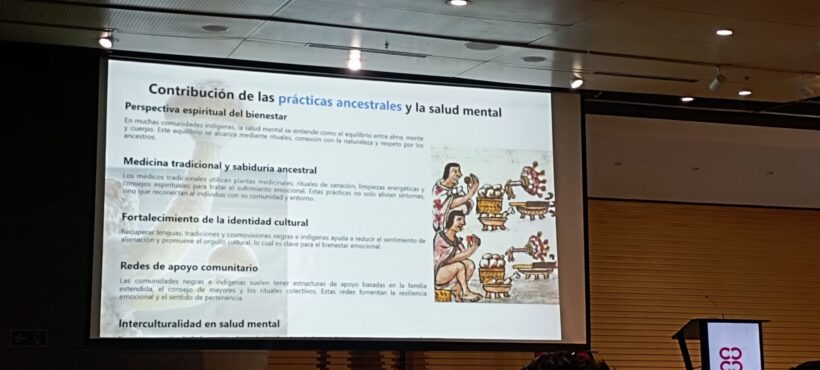
- Sustainable development, environment, climate change, worldview, and culture
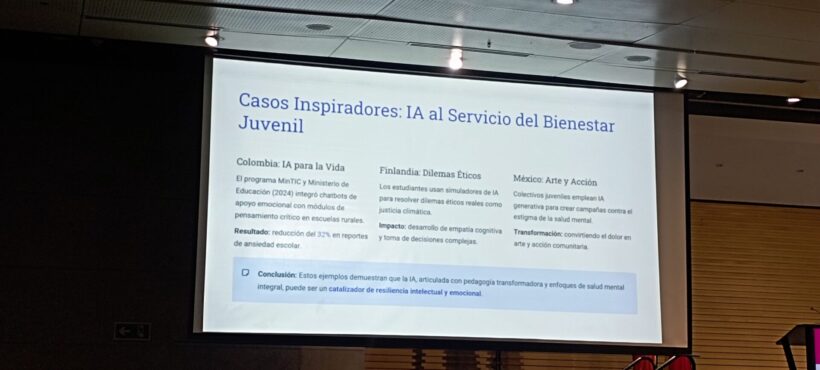
- Youth and artificial intelligence
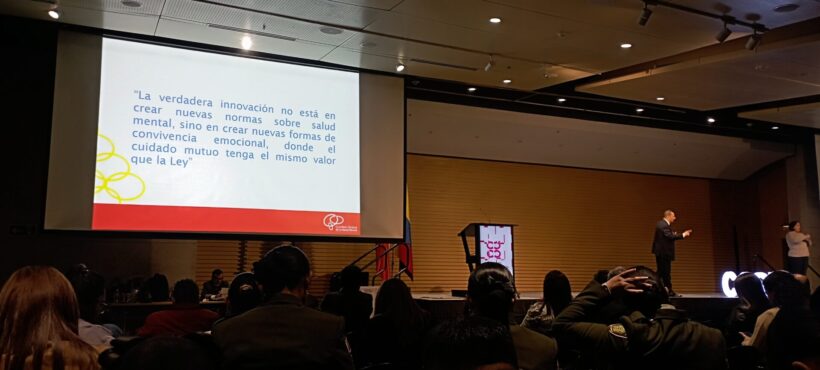
After an initial plenary session with presentations on these themes, the following day took a participatory form, with approximately seven panels or working groups where various experiences were first presented, followed by a discussion with a question-and-answer session. Due to logistical constraints, the third day continued with several presentations, some on site and others remotely, leaving a joint summary to be completed in the near future.
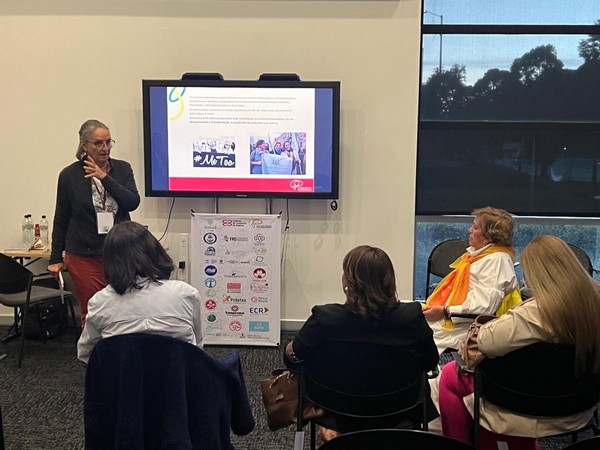
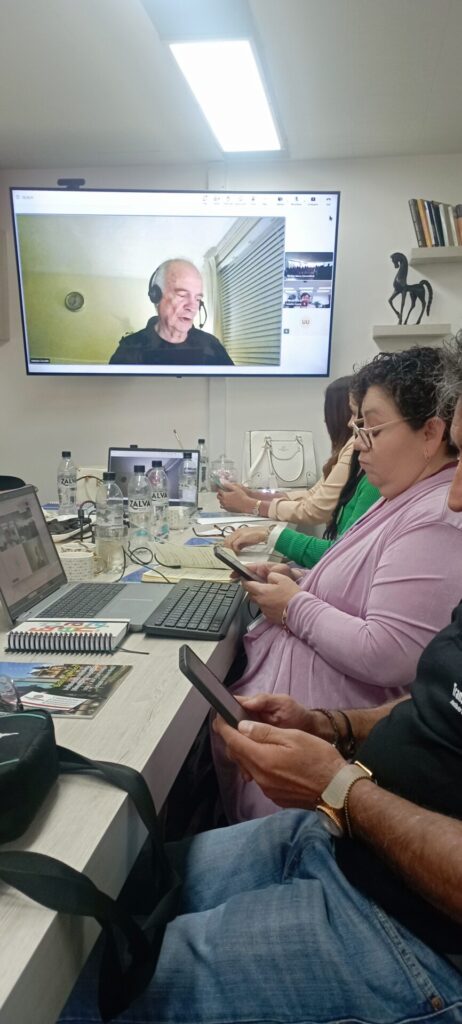
On behalf of the World Humanist Forum[ii], Antonio Carvallo spoke online from London on the topics of human rights, nonviolence, and mental health, providing some insights into Silo’s humanist psychology, with its various tools as contributions to quality mental health. For my part, as a representative of World Without Wars and Violence[iii], we had to improvise on the first day, at the request of Patricia Mena, a brief presentation of our World Marches for Peace and Nonviolence[iv], in which I invited reflection on the general mental state of our society and some of our leaders; We then participated in presentations of our experiences as volunteer activists in the fields of human rights, nonviolence, and mental health, in which we demonstrated tools for personal and social nonviolence in favor of better mental health (human symbol, ethical commitment, NV workshops, etc.) and in the field of social inclusion and politics, where we commented on our experience in supporting and advising migrants in Madrid. etc.) and in the field of social inclusion and political issues, where we discussed our experience in supporting and advising migrants in Madrid.
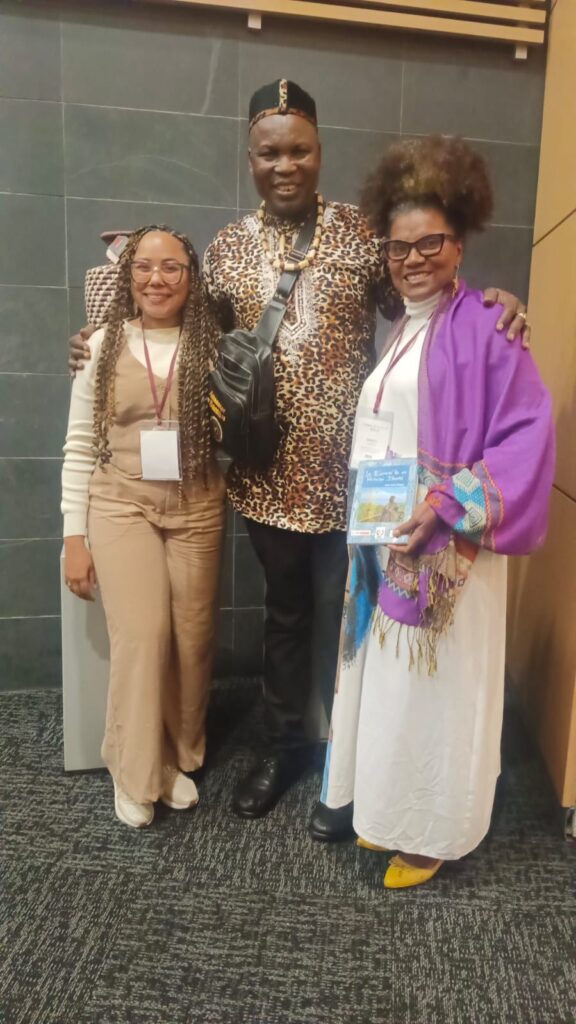
Beyond a few logistical incidents, perhaps due to attempts at destabilization by certain sectors and purely commercial personal interests, the participants’ involvement in the field of mental health was evident, as was the challenge for organizations and collectives to carry out actions for the benefit of society in general, even though they do not always enjoy political support. It was very rewarding to meet people from different backgrounds who are sincerely committed to their field, whether it be psychology, law, education, or care for indigenous populations, actions that are particularly supported by women. We were also struck by the humanity with which state security forces, such as the army and the police, approach the issue of mental health, not only with their own personnel, but also with the people they sometimes encounter.
This summit was certainly a turning point and can serve as a model for other regions… It was more than just an event and should become a permanent platform dedicated to promoting mental health as a fundamental right.
[i] https://www.cumbreglobaldelasaludmental.org/
[ii] https://worldhumanistforum.org/
[iv] https://en.theworldmarch.org/
The Author
Martine Sicard, author of the book Un camino hacia la paz
SLIDESHOW: