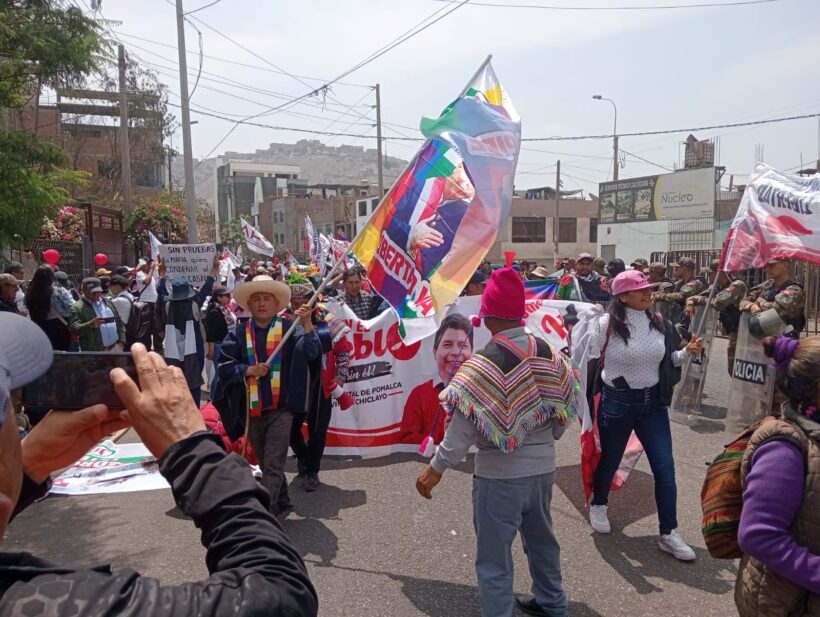
Blocking Candidates. The right wing’s veto of potential electoral candidates has been completed. Yesterday, Thursday the 27th, the Special Criminal Chamber of the Supreme Court sentenced former President Pedro Castillo Terrones to 11 years, 5 months, and 15 days in prison for the crimes of rebellion and conspiracy to commit rebellion. This sentence would prevent him from running in the new general elections to be held next April, despite the support he maintains in the south of the country.
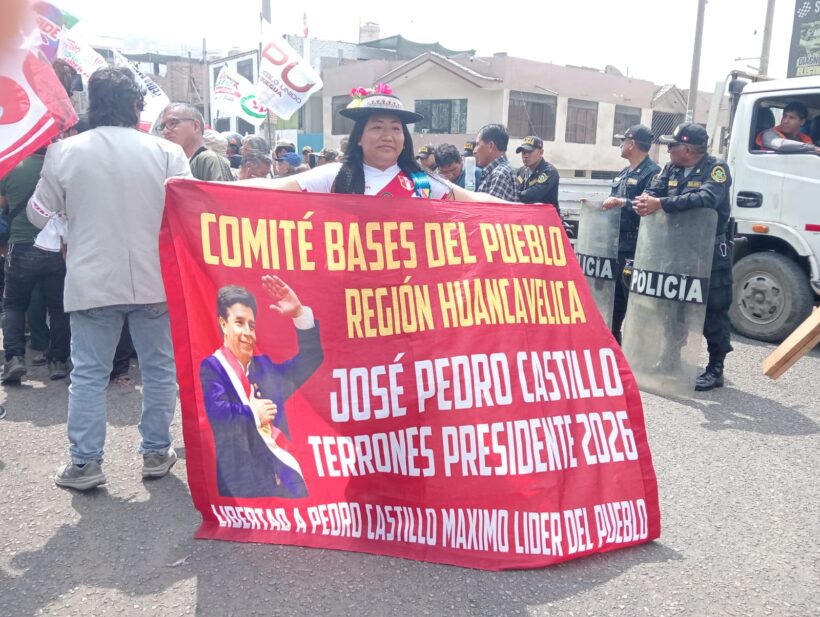
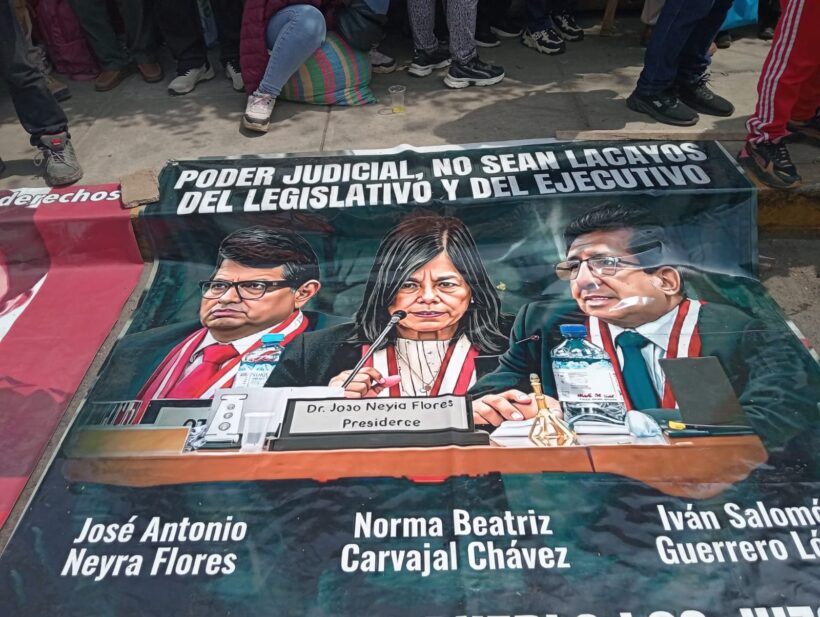
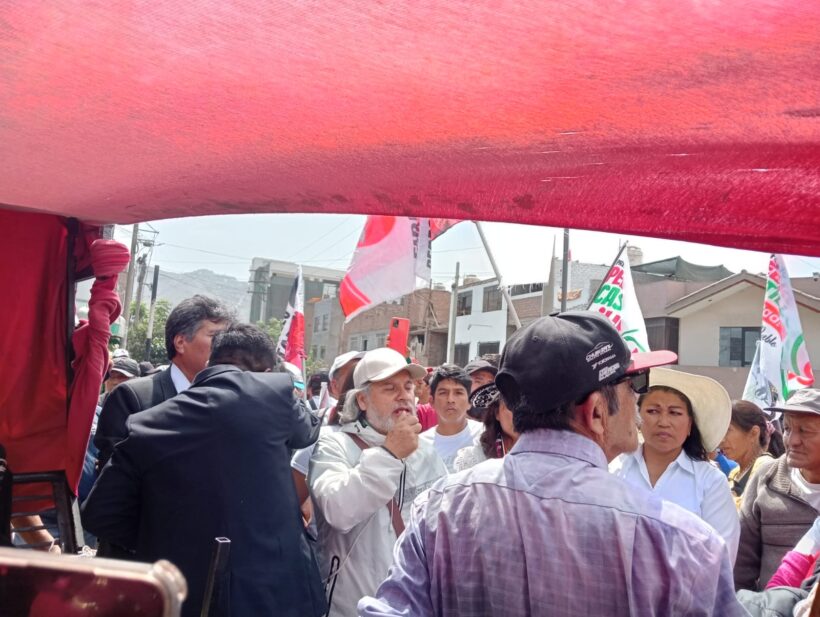
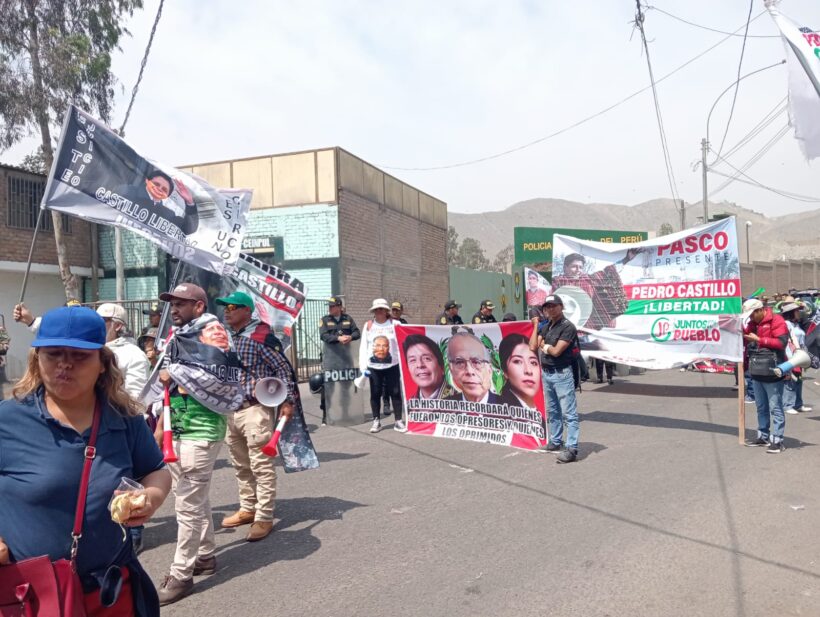
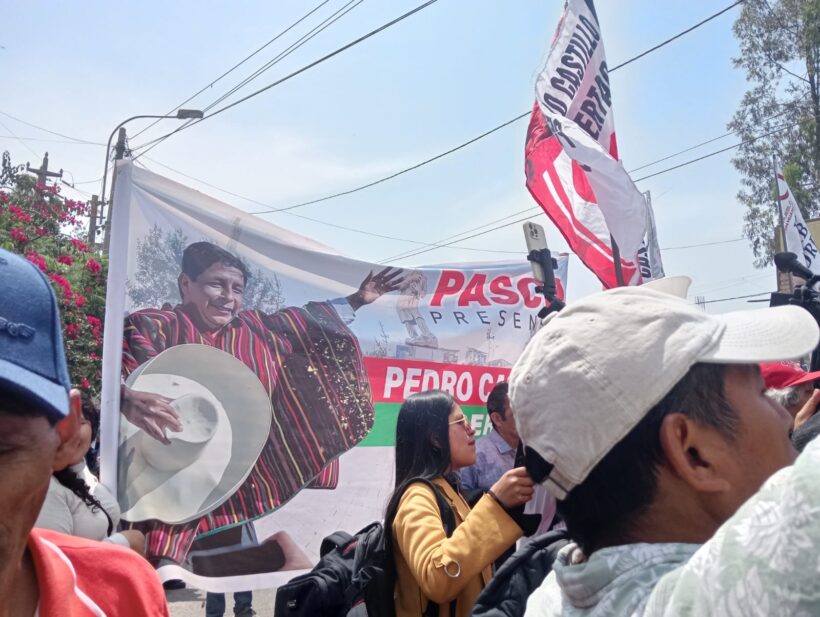
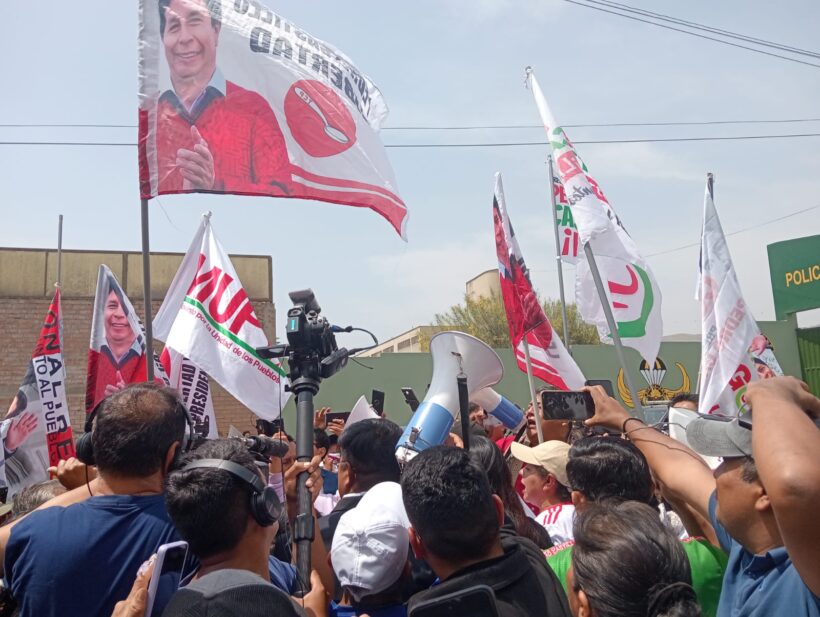
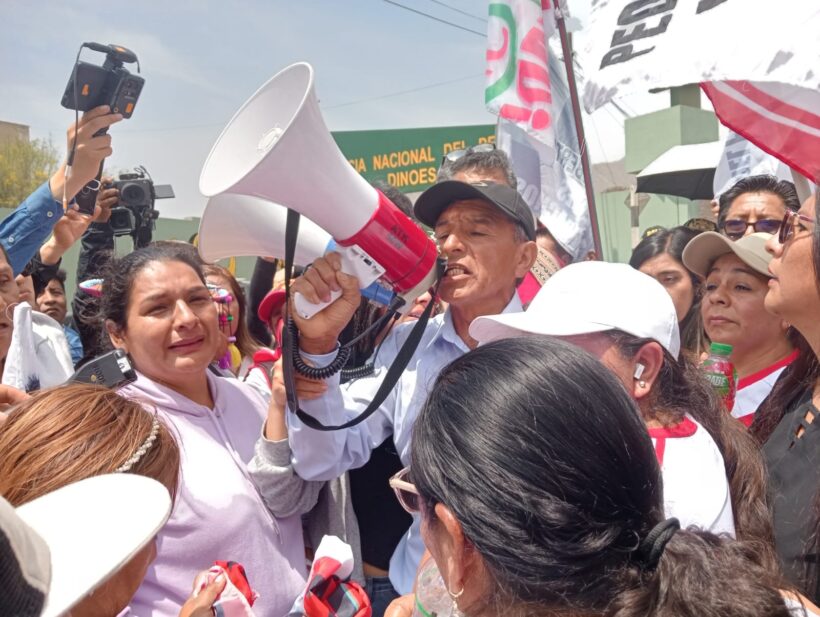
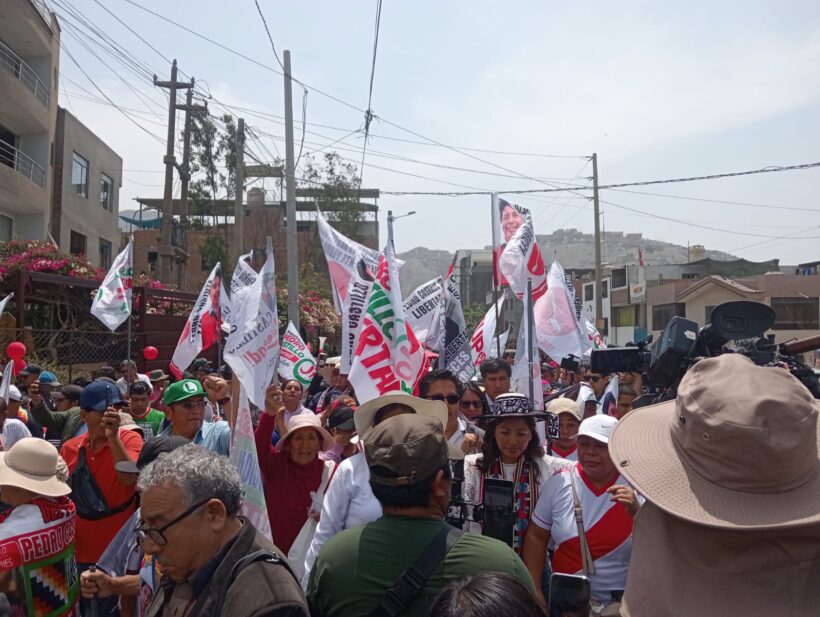
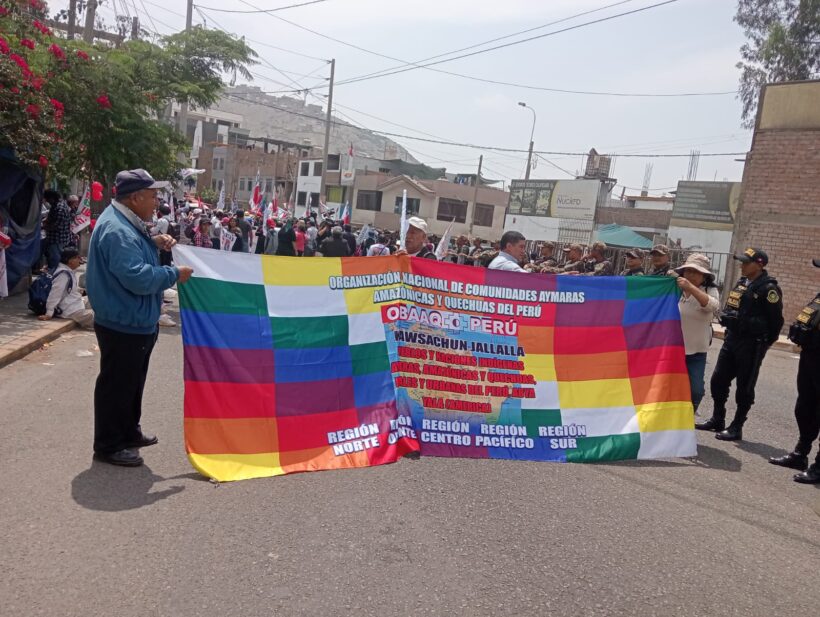
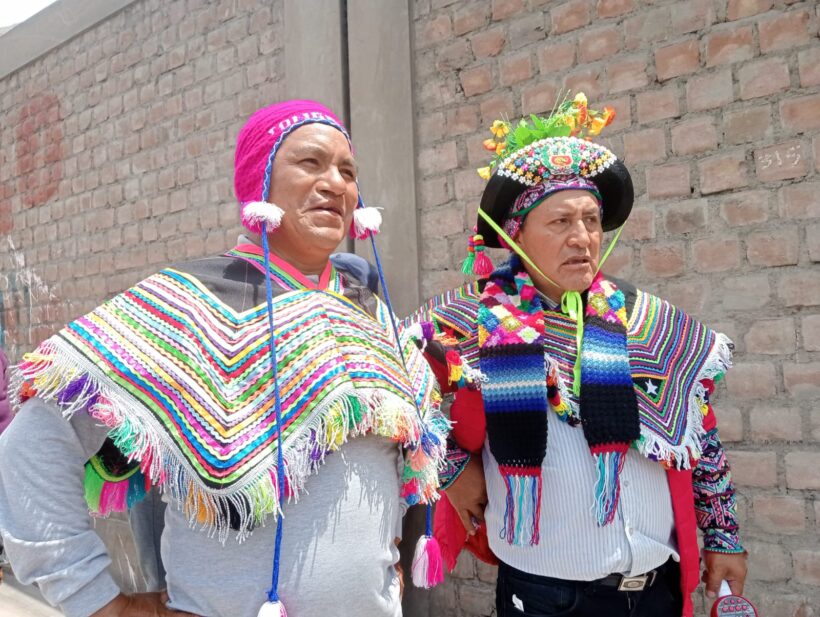
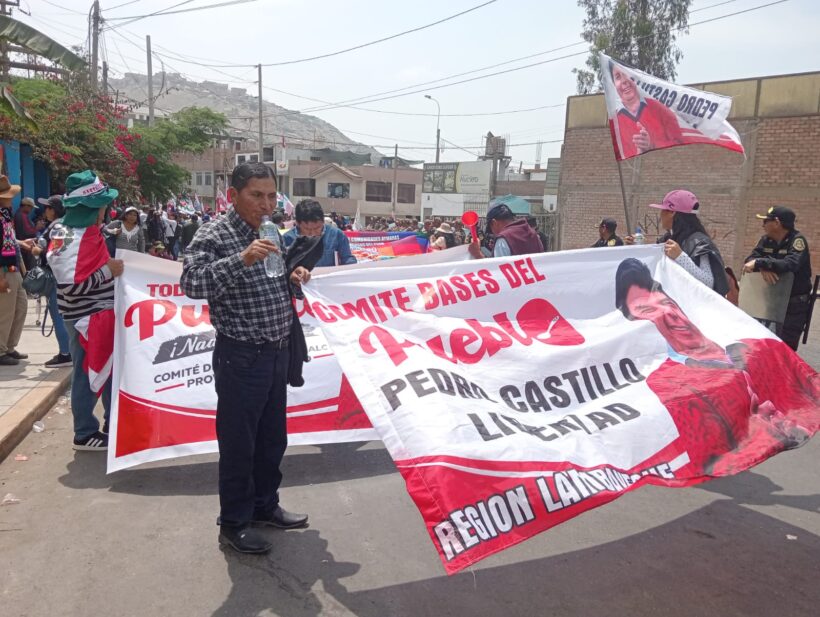
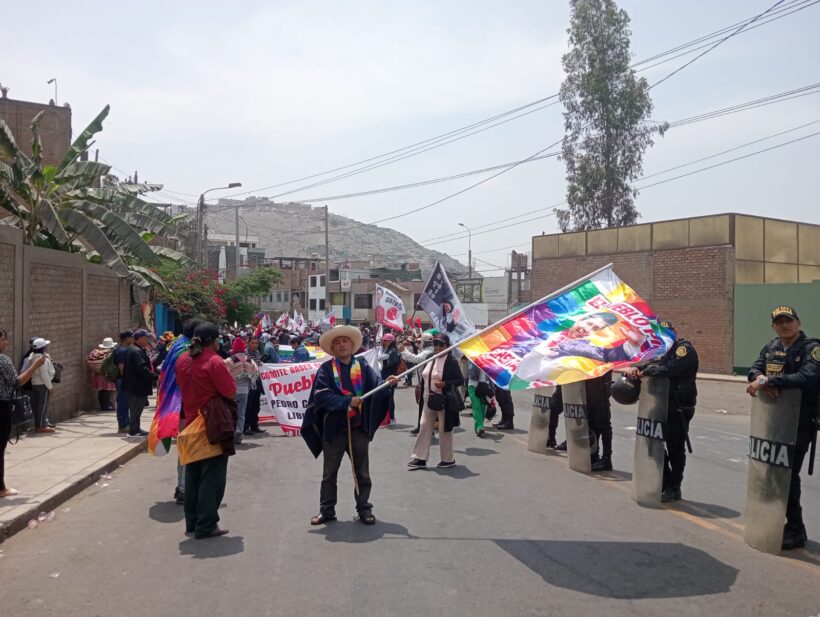
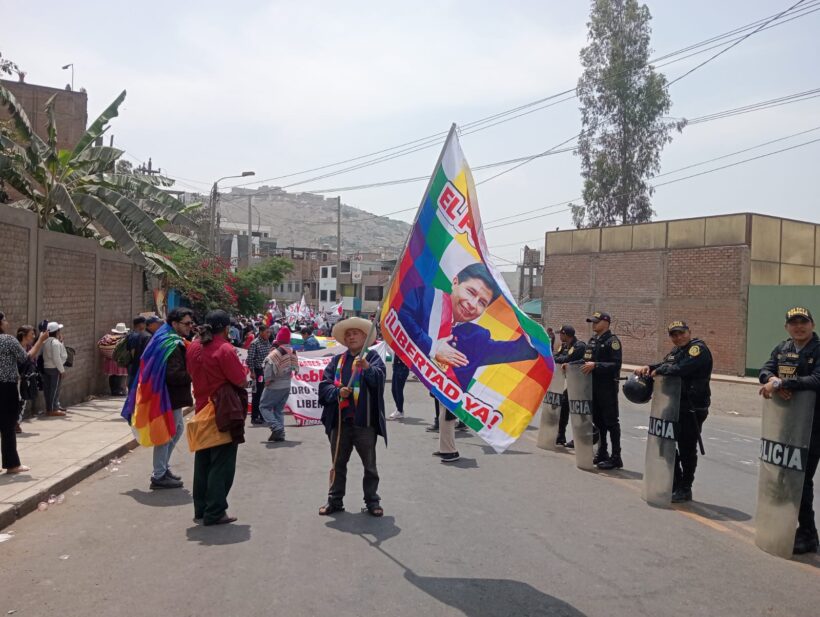
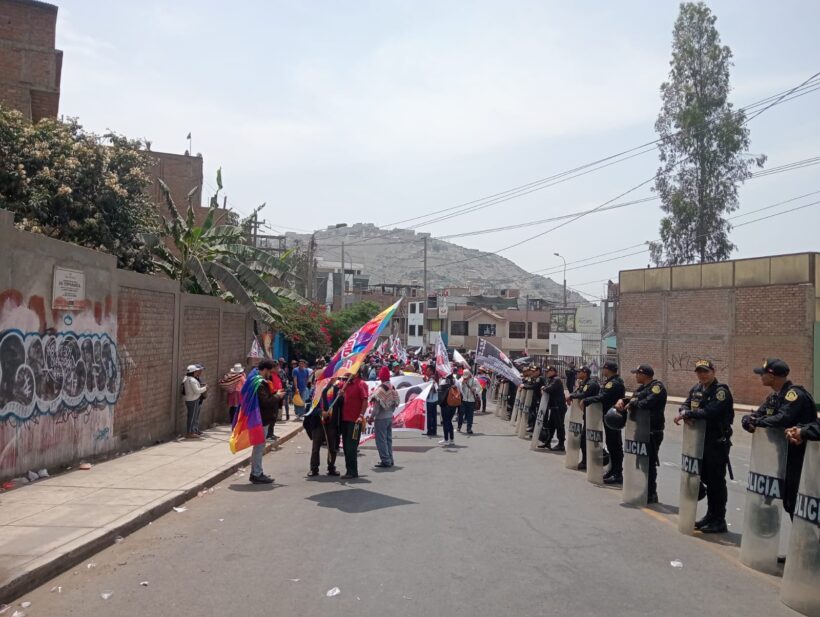
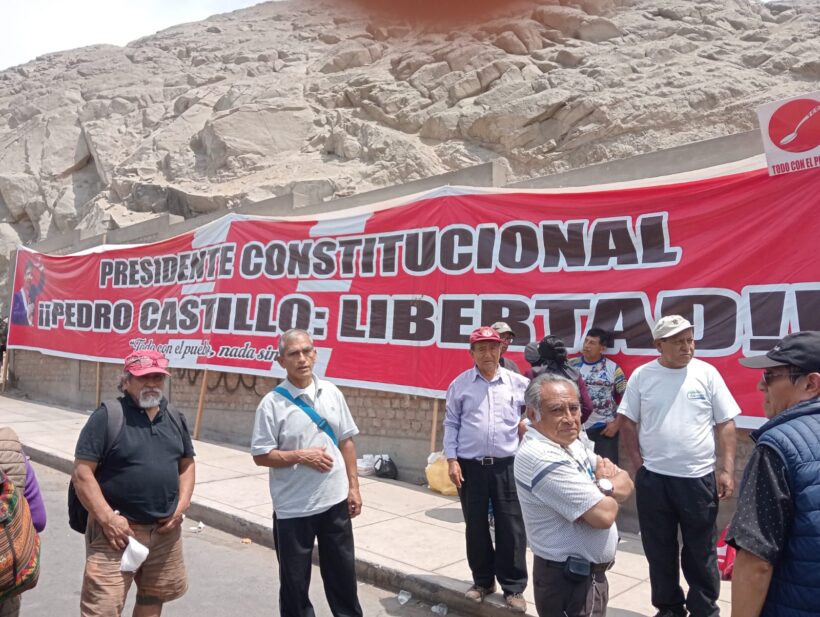
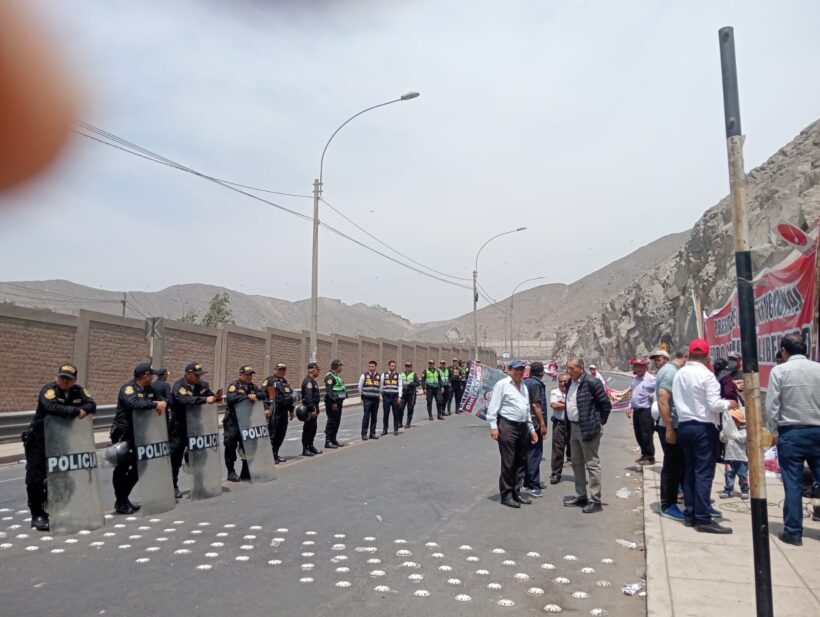
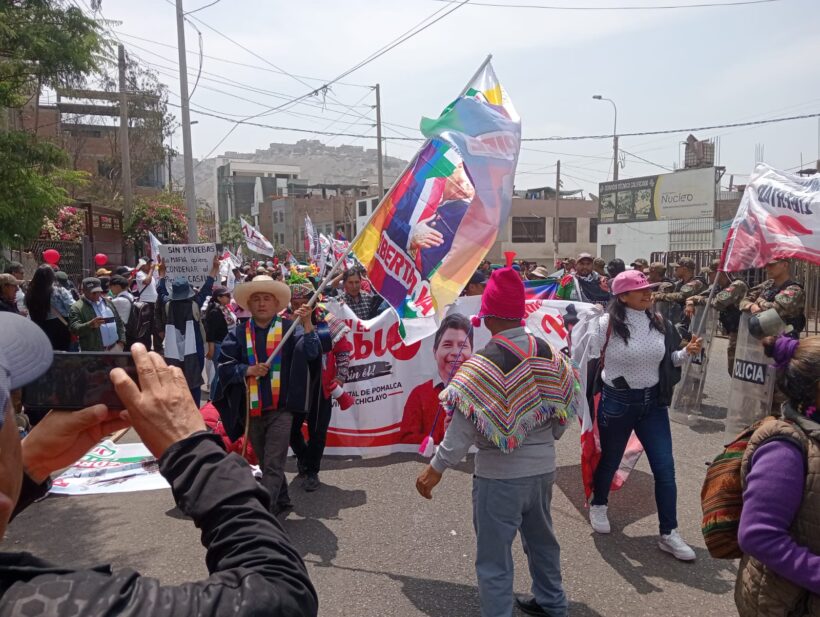
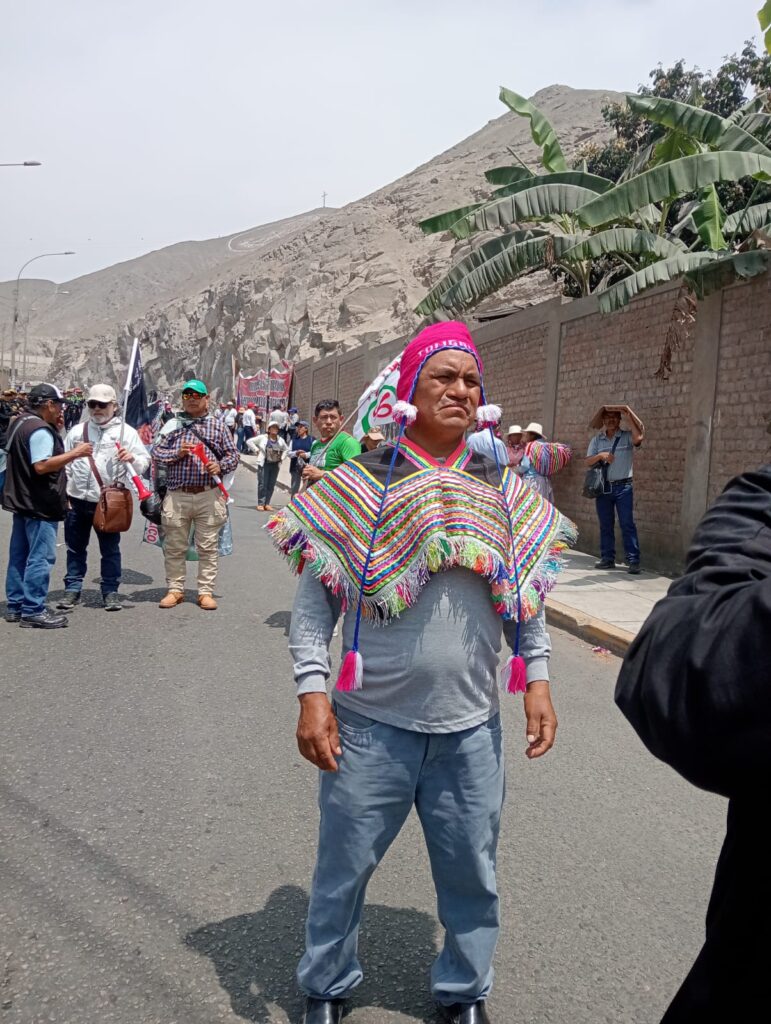
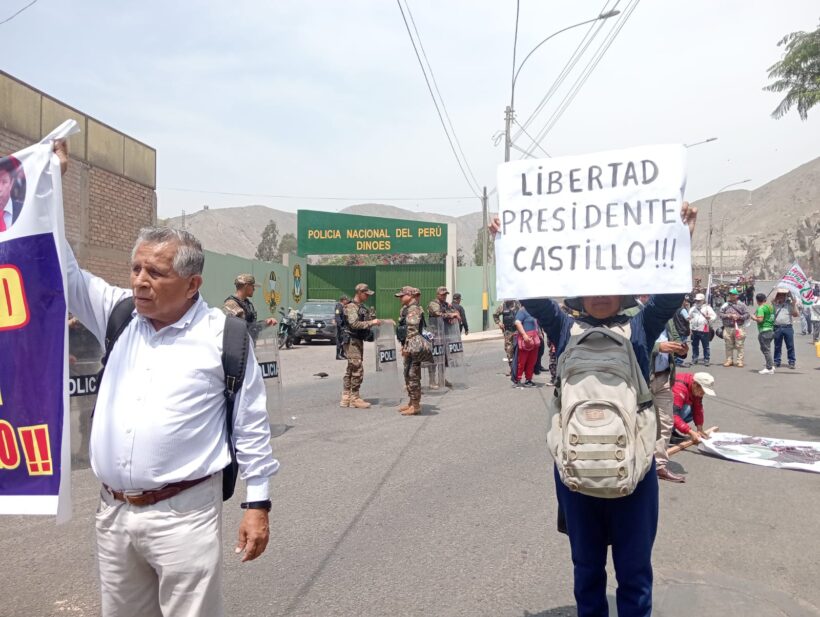
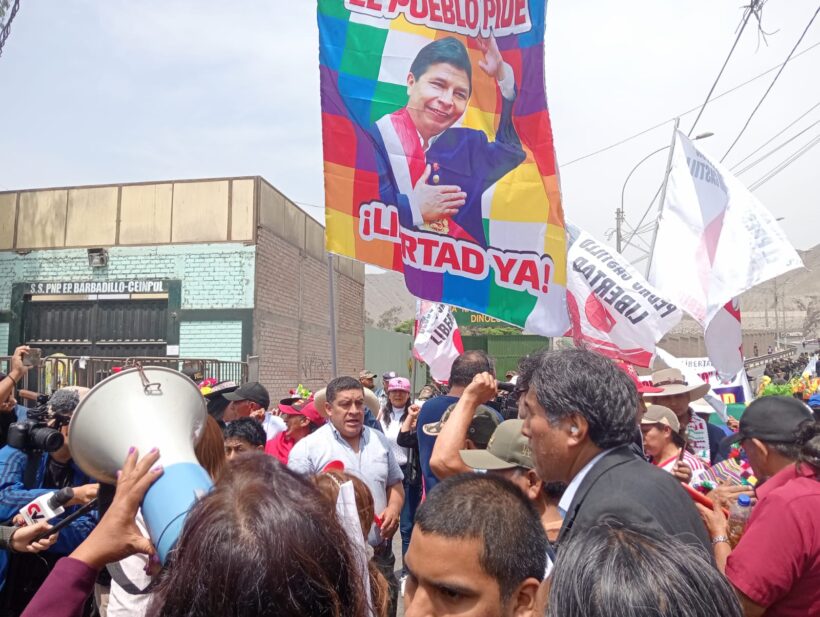
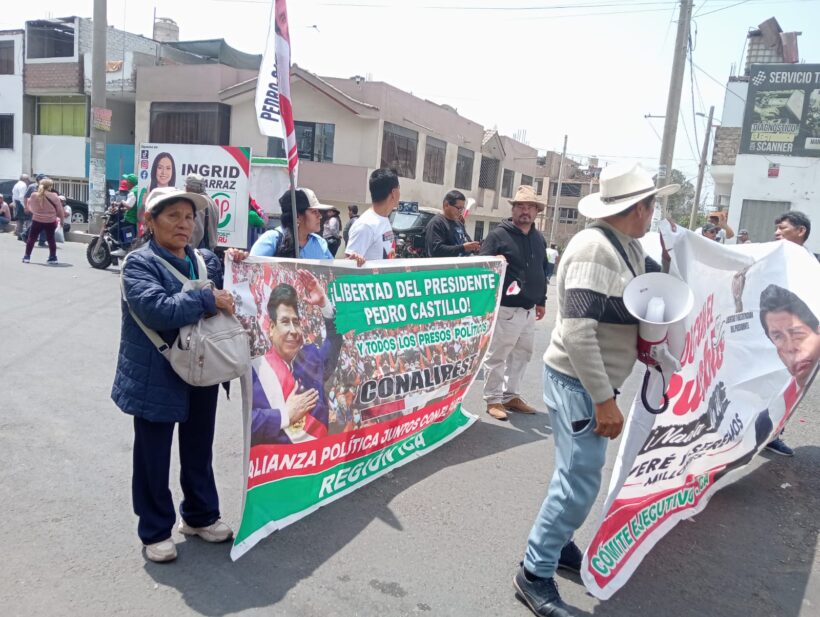
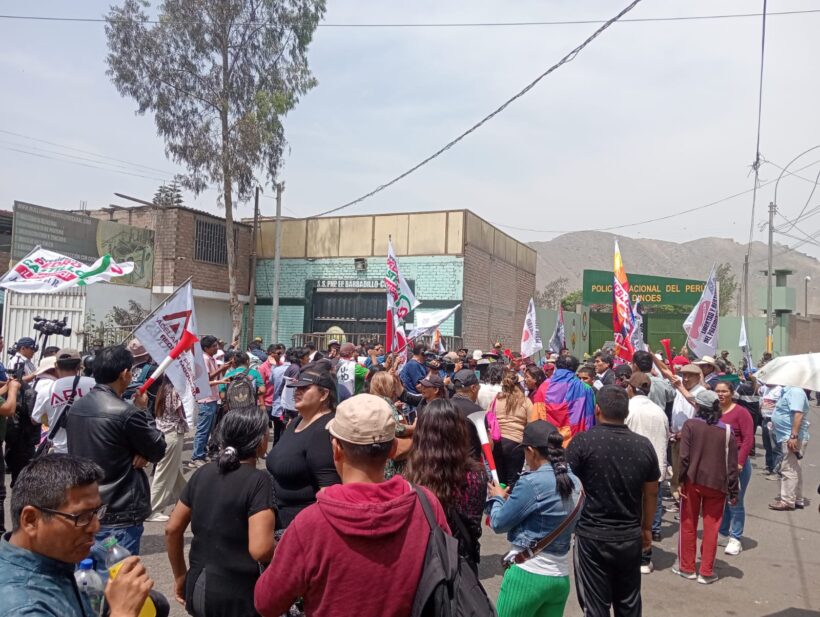
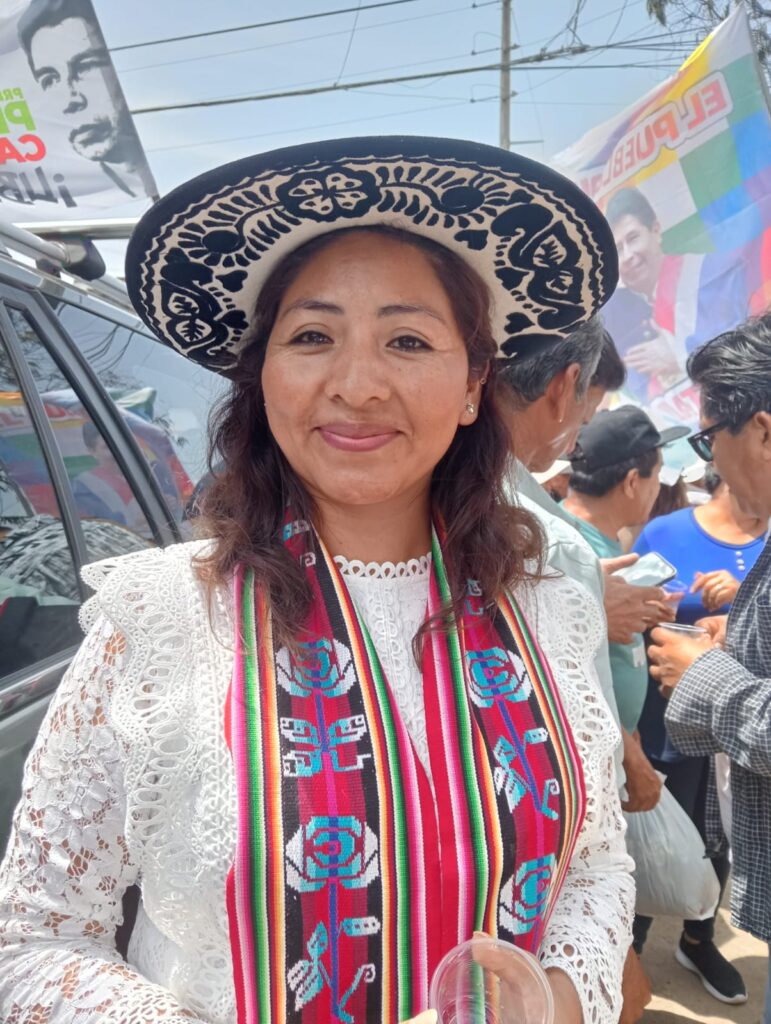
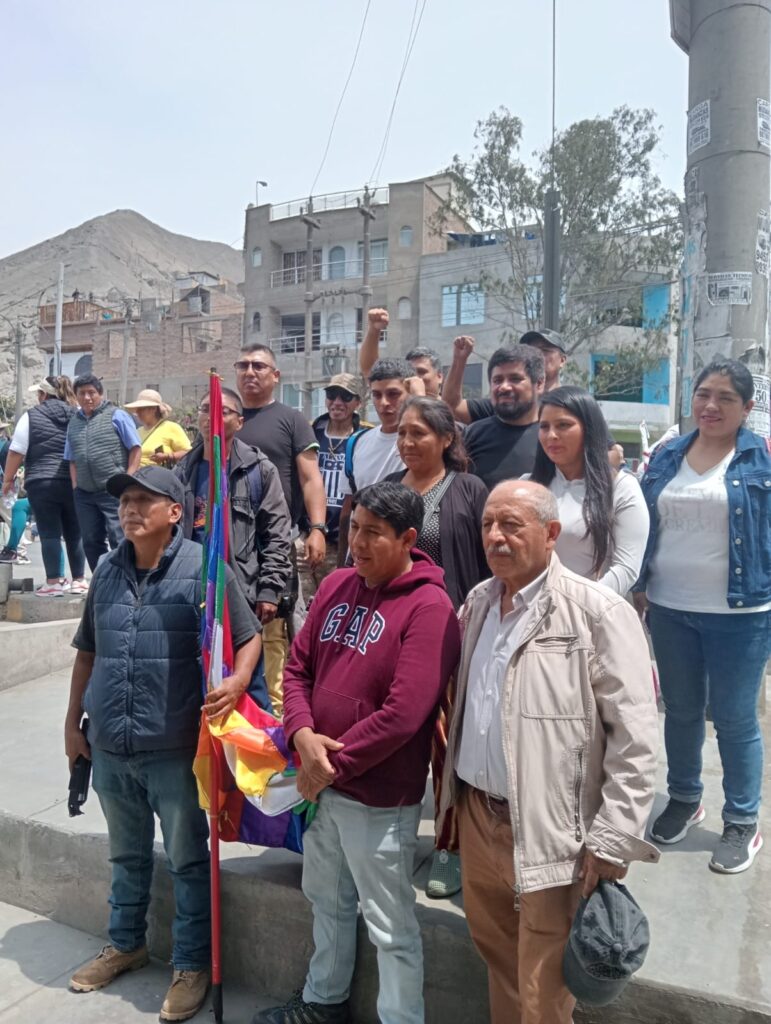
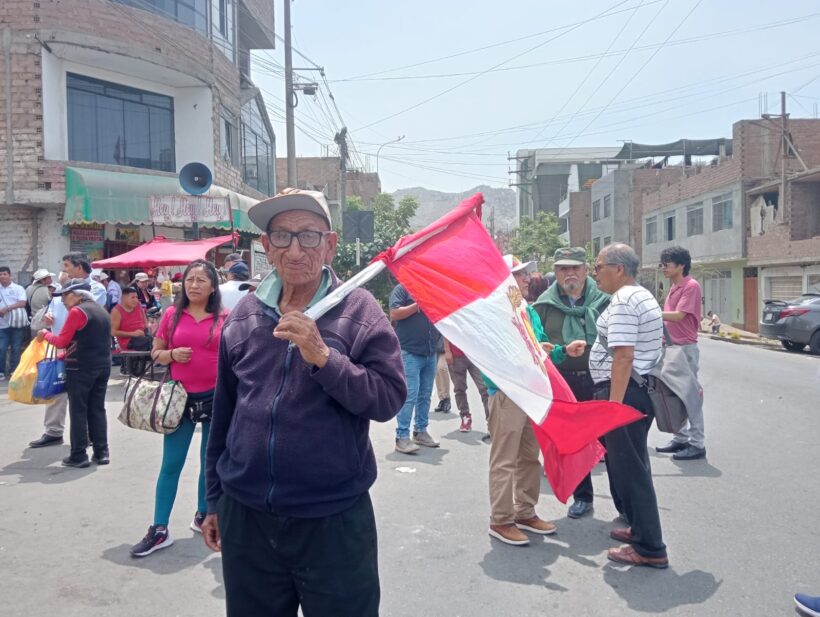
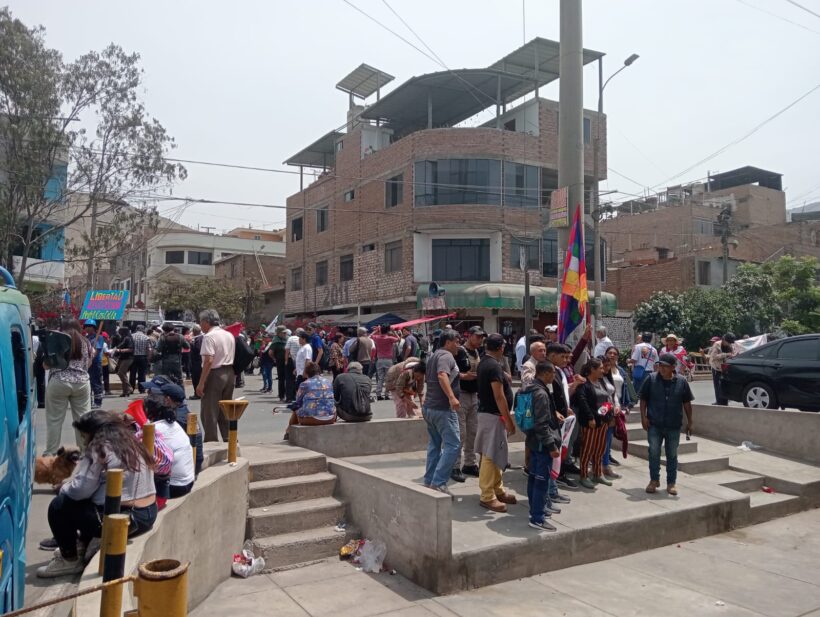
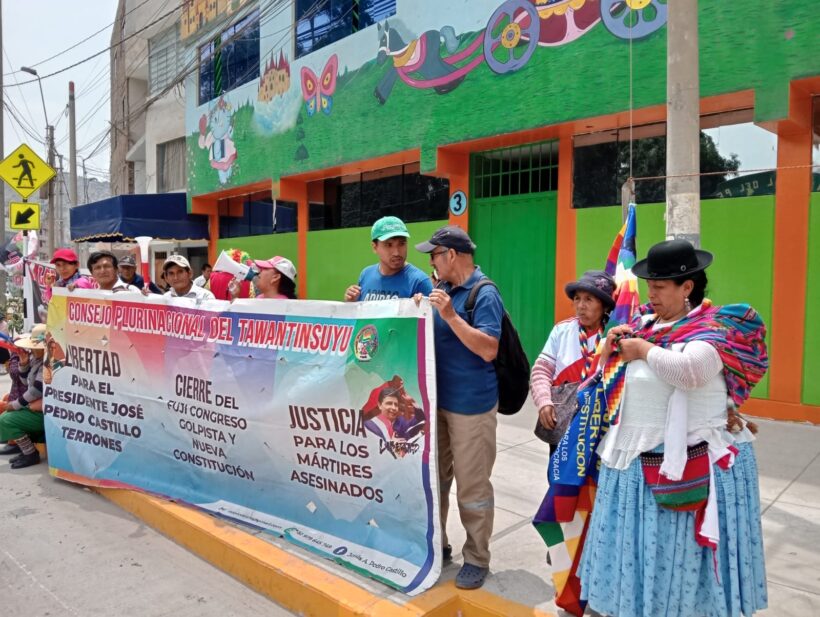
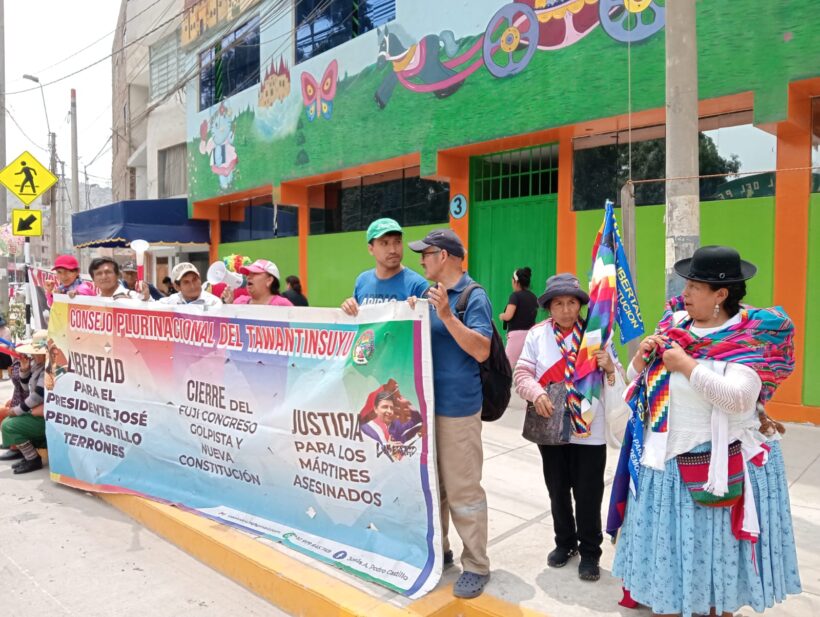
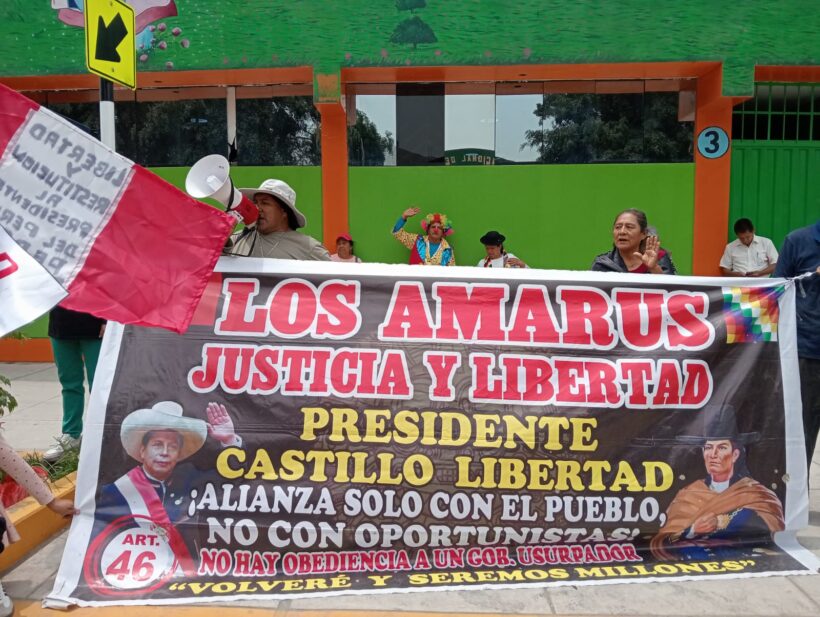
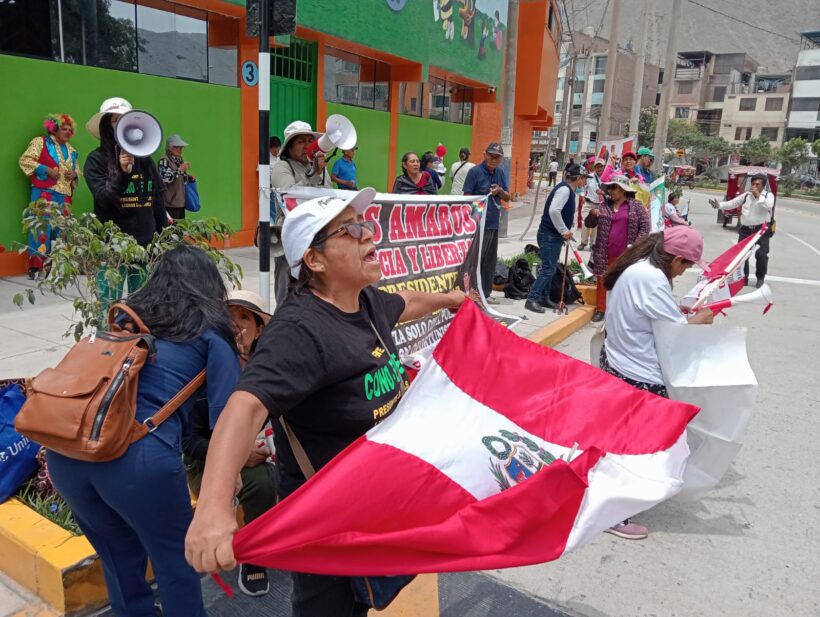
Former President Castillo had the support of various groups from the Lima, central, and southern regions of the country, who gathered early in the morning to demand his acquittal and release in front of the Barbadillo Penitentiary, because they believe that “he has not been tried according to the law.”
According to Article 346 of the Penal Code, the crime of rebellion is defined as follows: “Anyone who takes up arms to change the form of government, depose the legally constituted government, or suppress the constitutional regime shall be punished with a prison sentence of no less than ten and no more than twenty years.” This includes taking up arms, suppressing or modifying the constitutional regime, and relying on the possession of weapons; among other measures that were not carried out in the coup d’état declared by Castillo.
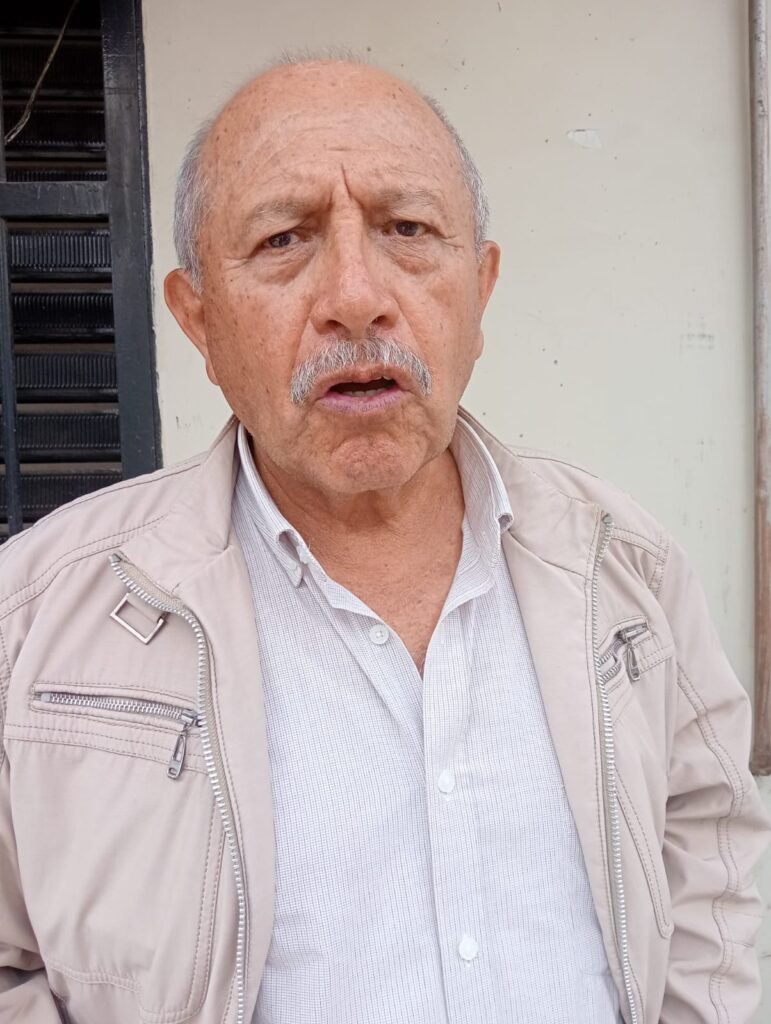
“We are firmly committed to defending President Pedro Castillo to the very end. Today we have witnessed this farcical trial, as this court has attempted to disregard the provisions of the new Penal Code. We await the courageous decision of the judge presiding over the case to resolve the habeas corpus petition and declare the sentence null and void, because the law has been ignored,” stated his defense attorney.
Right-wing Strategy: Institutional Takeover, Legal Proceedings, and Vote Fragmentation
It is evident that, in addition to seizing control of institutions such as the Ombudsman’s Office and the Attorney General’s Office, among others, a campaign of persecution has been launched, and legal proceedings have been initiated against potential candidates. Furthermore, the vote has been fragmented by the registration of 43 political parties that will compete in the upcoming elections.
Thus, a report was approved disqualifying former Attorney General Delia Espinoza from holding public office for 10 years. Disciplinary proceedings were also initiated against prosecutor José Domingo Pérez in retaliation for his work on the “Cocktail Case,” and anti-corruption prosecutor Rafael Vela was suspended.
Meanwhile, a potential candidate like former minister Salvador del Solar faced impeachment proceedings initiated by the Congress of the Republic for having invoked the vote of confidence that dissolved Congress in 2019.
And one day before Castillo’s sentencing, the National Superior Court also sentenced former president Martín Vizcarra to 14 years in prison for alleged acts of corruption when he was regional governor of Moquegua; he was also barred from holding public office for ten years. The former president denied the charges and stated that “this is not justice, it is revenge (for having dissolved Congress).”
At the time of publication, the public remains vigilant against manipulation of the electoral process, using the streets as a platform for denunciation.