By Rose Neema Onyango
Culture is an important part of our identity. It connects us to our history, gives us a sense of belonging and guides our communities. Many traditions promote unity, respect and solidarity, and they deserve to be preserved. However, as society evolves, we must also create room to reflect on how certain cultural beliefs and practices affect people, particularly during moments of grief and loss.
One area that deserves greater attention is the experience of women following the loss of a spouse or a child. For many widows, the pain does not end with the burial of their husbands. Sometimes, it marks the beginning of another difficult journey shaped by cultural expectations, restrictions and responsibilities.
Should losing a loved one also mean losing one’s freedom, dignity and sense of belonging?
When cultural expectations become another burden
In some traditional settings, a widow is expected to fulfil certain cultural obligations following the death of her husband. One such expectation is “Go Dala”, which involves establishing a matrimonial home.
A widow may be expected to relocate from her husband’s homestead to where her new home is established. In certain circumstances, this expectation may involve moving with the body of her deceased husband, leaving behind relatives and a grave simply because he had not relocated during his lifetime.
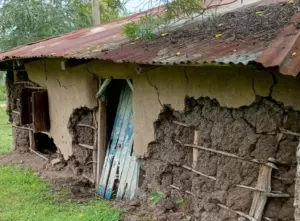
Another issue concerns the “Simba”, the original parental home established by a family. A woman may be expected to maintain or remain attached to this home until certain parental or cultural obligations have been fulfilled. Even when the house is in poor condition, she may feel restricted from making changes because of traditional expectations.
Imagine navigating these obligations while still struggling to accept the loss of your partner.
Can we allow women to fulfil cultural obligations without compromising their comfort, safety and ability to rebuild their lives?
The experience of “Chola”: When grief meets isolation
The situation becomes even more sensitive when a woman loses her husband or child.
In some communities, a bereaved woman is associated with “Chola” (dirty, unclean), a traditional belief that may restrict her social interactions. She may be expected not to visit other people’s homes, including those of neighbours and friends. In some circumstances, others may also be discouraged from visiting her.
But what happens when nobody wants to visit?
Imagine losing your husband or child and finding yourself unable to freely visit others, while others are equally reluctant to come to your home. At a time when you need companionship, comfort and reassurance, you may find yourself isolated.
Who checks on you? Who listens to you? Who sits beside you when the pain becomes overwhelming?
Grief requires compassion and human connection, not further isolation.
Should a woman who has lost someone she loves also lose the freedom to connect with the people who can help her heal?
Widowhood is not a choice
Widowhood is a journey no woman wishes for herself. It is a reality that can happen to anyone, and none of us knows what tomorrow holds.
A woman who loses her husband is already carrying an enormous burden: grief, emotional pain, uncertainty, family responsibilities and, in many cases, the responsibility of raising children alone.
Sometimes, she becomes so focused on providing for her children and rebuilding her life that she barely finds time to process her own loss.
Why, then, should society place additional expectations on her without considering what she is already carrying?
Why can’t we allow a widow time to heal, reflect and gradually fulfil cultural obligations at her own pace, in a manner that preserves her dignity?
A woman should not have to prove her respect for culture through suffering. Her health, emotional readiness and circumstances should matter too.
Preserving culture while embracing humanity
This conversation is not about condemning culture or abandoning our heritage. Many traditions provide identity, belonging, guidance and community support. They deserve appreciation and preservation.
Rather, it is an invitation to celebrate what is good in our traditions while reflecting on practices that may unintentionally prolong suffering.
Families, elders, cultural leaders, community organisations and human rights advocates all have a role in creating spaces for these conversations.
Let us ask ourselves:
– Are our cultural practices supporting the healing of the bereaved?
– Can cultural obligations be fulfilled gradually, allowing the bereaved person time to heal?
– How can we preserve our cultural identity while upholding human dignity?
– What responsibility do we have as families and communities to ensure that widows and bereaved mothers are not isolated?
A call for compassion and healing
Behind every widow is a human being who deserves love, care, respect and the freedom to rebuild her life. Behind every bereaved mother is a parent who needs compassion, not isolation.
When someone loses a loved one, the community should become their support system, not another source of emotional distress.
Let us give widows and bereaved mothers the space to grieve, the freedom to heal and the opportunity to fulfil cultural obligations in ways that respect their circumstances.
Tradition should preserve our humanity, strengthen our relationships and bring us closer together. If our traditions are meant to guide and unite us, how can we ensure that they also make room for compassion, healing and human dignity?
The conversation must begin, and every voice matters.
(*) Rose Neema Onyango is the Founder of Risenflame Network CBO (Rfnet), an organization supporting widows and vulnerable communities.