For over 2,000 years, ginseng has been cultivated, extracted, and has benefited countless people in East Asia and around the world. It’s often called the “root of life,” symbolizing vitality, longevity, and spiritual balance. In recent years, Korean ginseng, locally called insam, has become a fascinating topic that bridges traditional medicine, modern science, and cultural heritage. Research has shown that its active compounds, ginsenosides, can support immunity, improve energy levels, reduce fatigue, enhance cognitive function, and stabilize blood sugar. Recent studies also explore its neuroprotective and anti-inflammatory effects, as well as its potential anti-aging properties. In Korea, high-quality red ginseng is grown in mountain regions and is available in various forms, such as teas, tonics, capsules, extracts, essential oils, and even cosmetics.
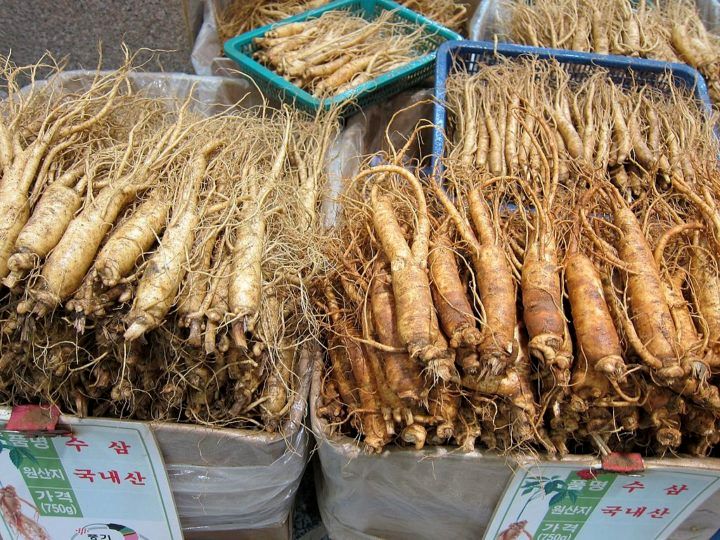
Punggi-insam.
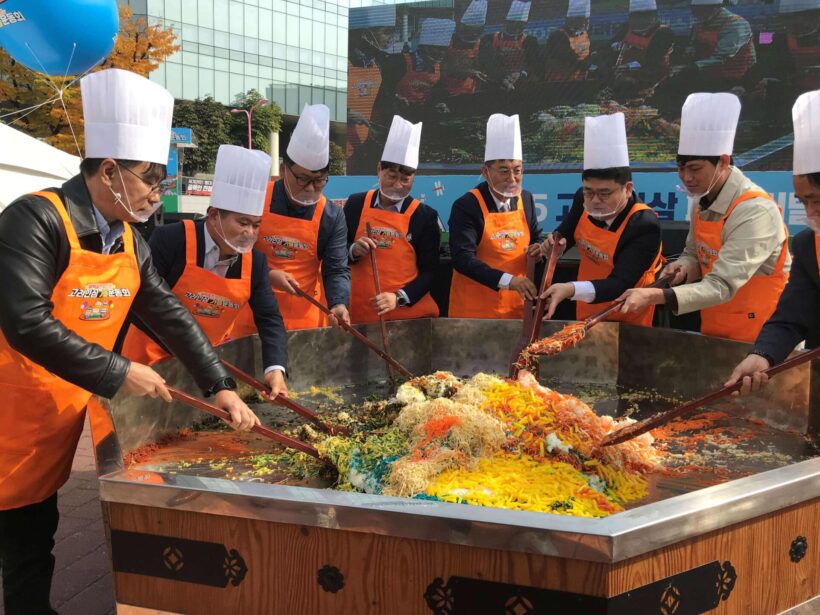
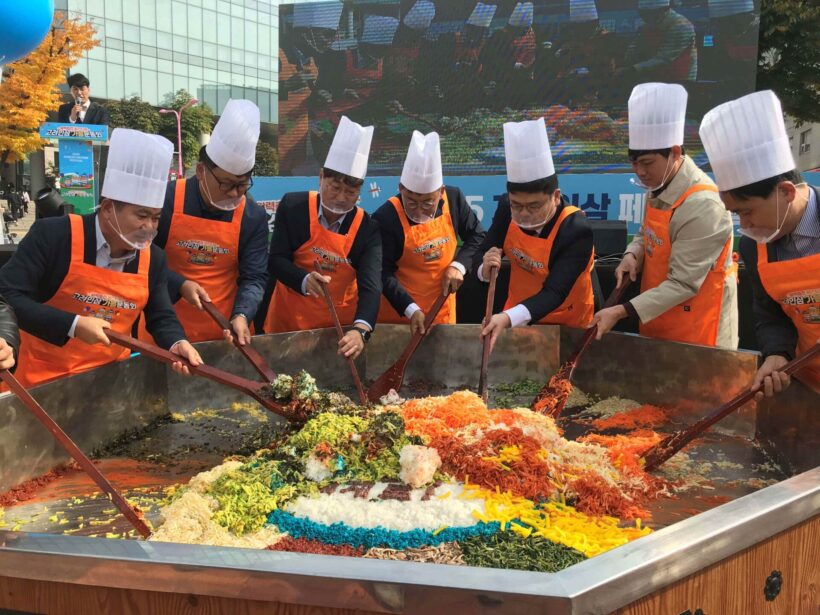
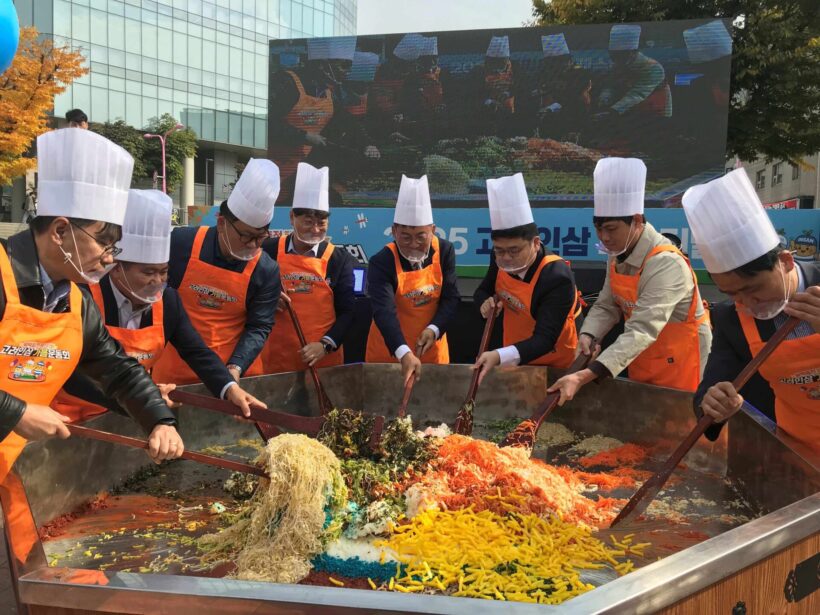
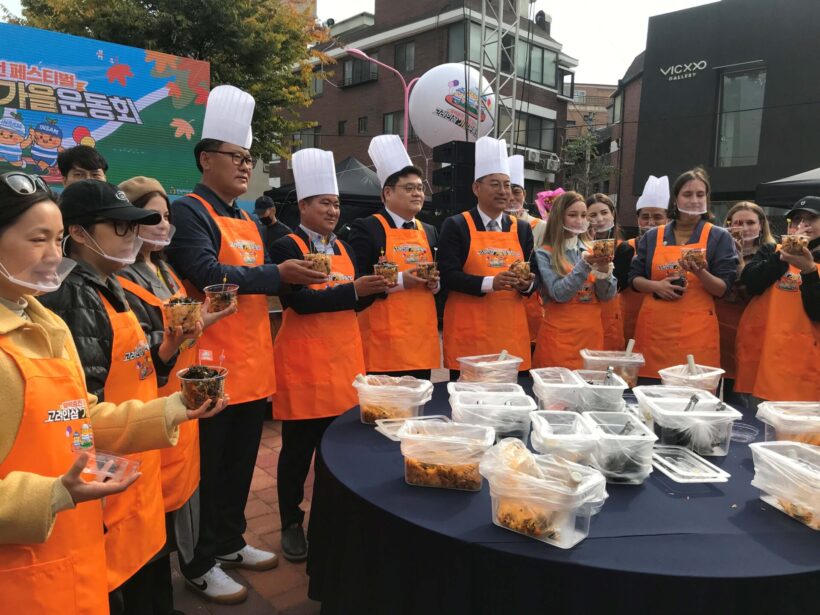
Recently, Seoul City celebrated the Korea Ginseng Festival on October 31, 2025, on Hongdae Street, inviting foreign residents to experience the importance and vitality of the legendary plant. As a regular ginseng user myself, I was excited to attend the event. Thanks to the organizers, Funday Korea, for inviting us to the festival that offered many opportunities to immerse ourselves in the rich heritage of Korean ginseng, renowned worldwide for its remarkable health benefits and centuries-old legacy. We recharged both body and spirit with the authentic power of ginseng through a diverse range of performances, hands-on activities, and cultural experiences designed for everyone. Sharing ginseng-infused Korean food, ice cream, and drinks inspired participants to appreciate nature’s abundant organic resources and reflect on the value of preserving centuries-old wisdom.
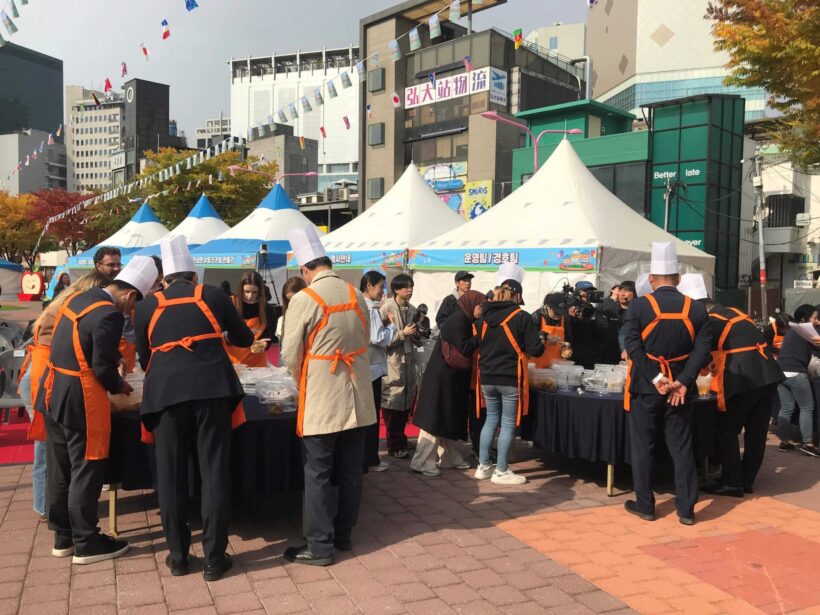
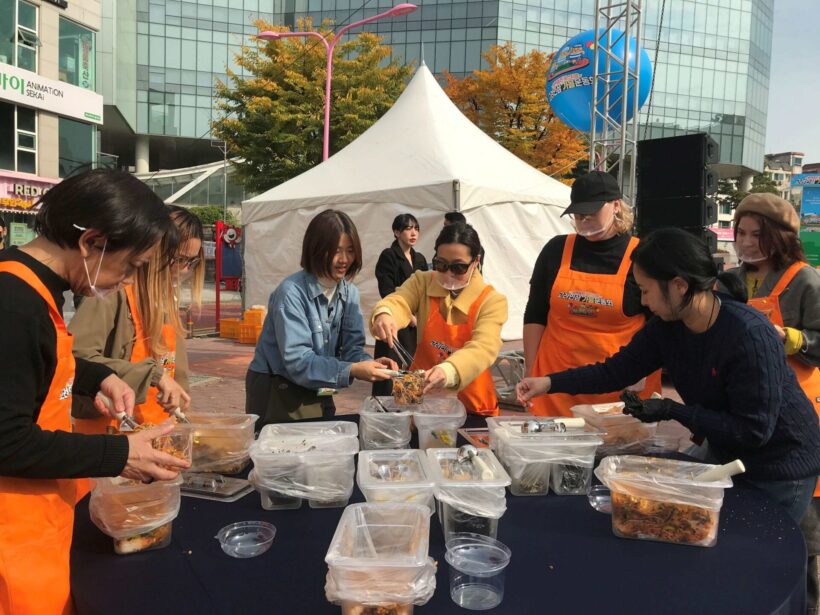
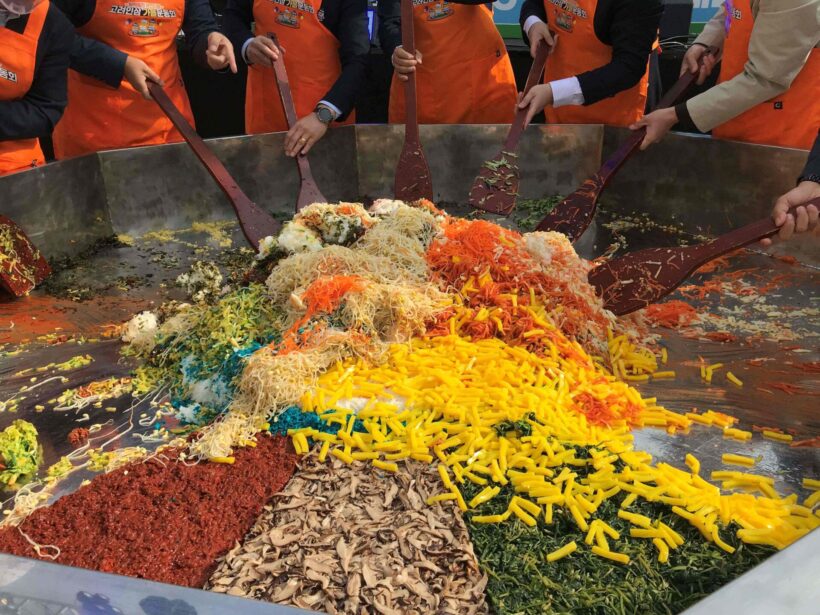

Sarah Tang is a Canadian spa manager who has lived and worked around the world. She is currently based in South Korea and has spent the past four years moving in and out of the country due to her work managing spas on luxury superyachts. Her international lifestyle has given her a unique perspective on wellness, and she has discovered a powerful booster in one of Korea’s most treasured natural remedies: red ginseng. “I’ve known about ginseng since I was young. My parents used to give it to me in America, but I never liked the taste. However, now that I’m over 30, I’ve started to appreciate traditional medicine. I take Korean red ginseng every morning,” she told Pressenza Press.
Sarah’s daily ritual is simple: she mixes a small teaspoon of red ginseng extract into a cup of warm water and drinks it before starting her day. “I get lots of energy—that’s why I continue to drink it. I really see the benefits for my skin and overall health. If you’re lacking energy, want glowing skin, or prefer something herbal and natural over chemicals, I think red ginseng is the way to go,” she said.
As a frequent traveler, Sarah often buys her ginseng from duty-free shops, where she enjoys discounts on premium Korean brands. “I usually buy two jars at a time, and each lasts about a month to six weeks. It’s also available at Costco and in local stores here in Korea,” she explained.
On a global scale, market experts say that the Korean ginseng extract market was valued at around USD 3.5 billion in 2024, with projections to reach USD 5.9 billion by 2032. The industry is large and growing, with room for innovation, product diversification, value-added goods, extracts, capsules, beverages, and export expansion.
As a cultural legacy, ginseng has been featured in art, mythology, and even as a state gift—a true symbol of vitality and life force. Korea safeguards its ginseng heritage carefully; only roots grown in specific regions can be labeled “Korean Ginseng.”
Photos by Bereket Alemayehu