New Ireland Province, Papua New Guinea — March 2026. A mysterious marine contamination event is unfolding along the east coast of New Ireland Province, Papua New Guinea, where coastal communities have been reporting mass fish deaths, illness after contact with seawater, and growing concerns over contaminated waterways.
Since December 2025, residents along the Boluminski Highway coast have watched thousands of fish wash ashore while families begin reporting skin irritation, respiratory illness, and gastrointestinal symptoms after exposure to the ocean.
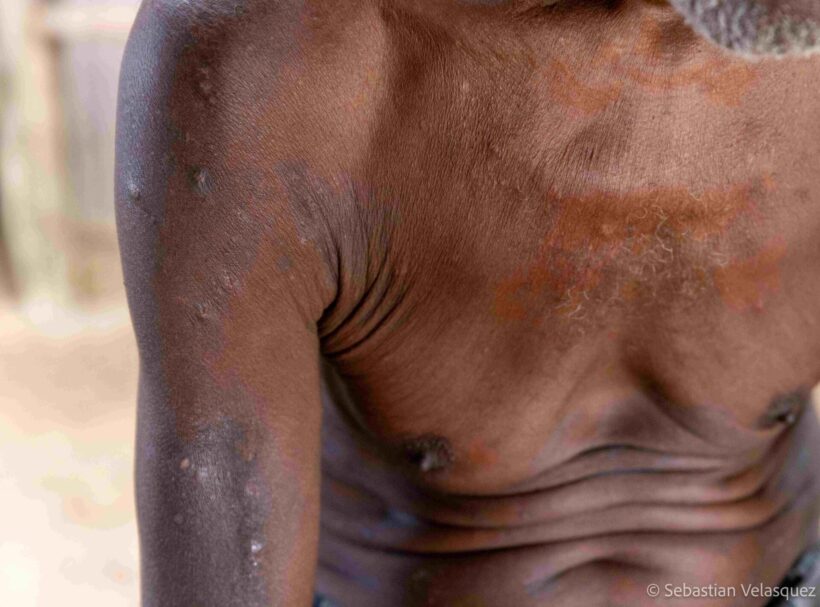
Community monitoring led by the Indigenous marine conservation organization Ailan Awareness documented 3,451 dead marine organisms across more than 15 species during a five-day monitoring survey, indicating a widespread ecological event affecting coastal habitats, including coral reefs, seagrass beds, and nearshore fisheries.
At least 750 people are believed to have been affected, though the true number may be significantly higher due to limited access to healthcare and communication infrastructure in rural villages.
For communities whose livelihoods depend on fishing, the impact has been immediate and severe.
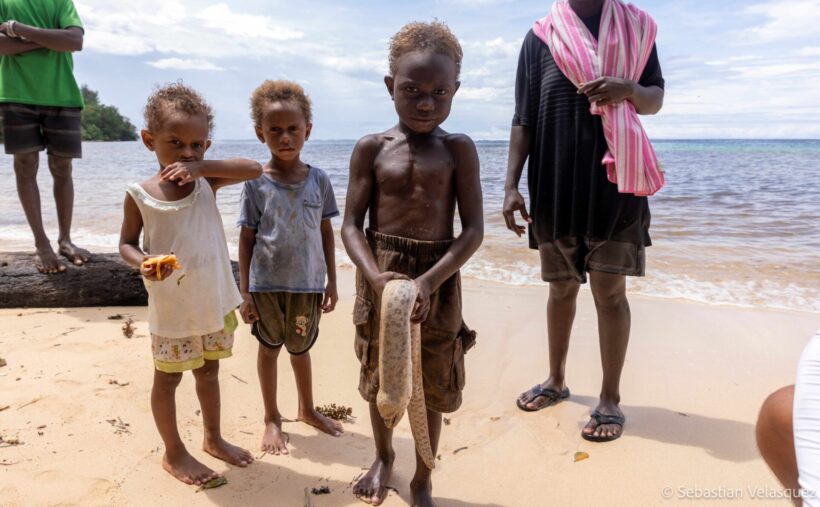
“Families can no longer rely on the ocean for food,” said community leader Martha Piwas. “Mothers cannot feed their children fish anymore. People are getting sick. And we still don’t know why.”
The situation has been documented by local journalists, indigenous marine stewards, and environmental advocates who began investigating after reports of fish deaths first emerged in late 2025.
After months of uncertainty, an international group of marine scientists, ecotoxicologists, and environmental researchers has now mobilized to help investigate the cause of the contamination and support affected communities.
According to researchers participating in the investigation, several possible causes are being examined, including:
-
industrial or mining contamination
-
agricultural runoff from plantations
-
harmful algal blooms triggered by nutrient pollution
-
natural geothermal activity releasing toxic compounds
Papua New Guinea sits within the geologically active Pacific Ring of Fire, where hydrothermal activity can sometimes release sulphur-rich fluids and heavy metals into coastal waters. However, scientists emphasize that no definitive cause has yet been identified, and laboratory testing of water, sediment, and marine tissue samples is currently underway.
While the investigation continues, communities are facing urgent humanitarian challenges.
Fishing has largely stopped in affected areas due to concerns about contaminated seafood, cutting off the primary source of protein and income for many households.
Some villages have also reported contamination of freshwater creeks, limiting access to safe drinking water.
Local marine conservation leader John Aini, founder of Ailan Awareness, has been documenting the crisis for months with limited resources.
“As Indigenous ocean stewards, we cannot stand by while our sea and our people are suffering,” Aini said. “We are doing everything we can with the resources we have, but we need scientific support and global attention.”
In response to the growing crisis, InnerLight Foundation, ENB Sea Keepers, and a global network of ocean researchers have launched a rapid-response effort to support community monitoring, environmental sampling, and scientific analysis.
Field teams are now collecting water samples, sediment samples, and ecological data to help determine the source of contamination.
Papua New Guinea is home to some of the most biodiverse marine ecosystems on Earth, and millions of people across the Pacific rely on coastal fisheries for food security and cultural survival.
Advocates warn that without swift investigation and response, the crisis could have long-term ecological and humanitarian consequences.
“This is not just a local environmental story,” said ocean advocate Bodhi Patil, who is helping coordinate international support.
“This is a moment where the world needs to pay attention. When coastal communities lose their ocean, they lose food, culture, and safety all at once. We need science, transparency, and global support to find the cause and protect these communities.”
Environmental monitoring and laboratory testing are expected to continue in the coming weeks.
Researchers say further updates will be released as soon as test results become available.
Media Contacts:
Bodhi Patil
InnerLight Foundation
Ocean Investigation Coordinator
John Aini
Ailan Awareness
Indigenous Ocean Ranger – Papua New Guinea
Becky Marigu
Ailan Awareness
Local Bio-Cultural Conservation Journalist