by Sheikh Arif (Dhaka Bureau)
Diplomatic relations between Bangladesh and India have reached an unprecedented decline. A culture of mutual blame- at both the public and diplomatic levels- has further chilled the relationship. The situation has escalated to the point where, as of December 22, both countries have officially announced the suspension of their regular visa services. This escalating tension between the two neighbors has sparked widespread concern across the region.
This unprecedented ‘cold war’ in the long-standing friendly relationship has been palpable for several months. The instability, which began following the fall of the Sheikh Hasina government, has gained new momentum due to a series of recent events.
The brotherly and neighborly ties faced severe strain immediately after the political transition in Bangladesh on August 5. India expressed grave concern over the safety of minority communities, specifically regarding the arrest of ISKCON leader Shri Chinmoy Krishna Das Brahmachari. In response, allegations of Indian interference surfaced in Bangladesh, fueling public resentment.
On December 12, Sharif Osman Hadi, the spokesperson for the Inqilab Mancha, was critically injured after being shot in the head by miscreants in Dhaka. He passed away on December 18 while undergoing treatment in Singapore.
Public suspicion and outrage intensified when photos circulated on social media suggesting that the ‘identified terrorist’ who attacked Hadi had managed to bypass Bangladeshi intelligence and law enforcement to flee safely across the border into India.
In connection with the Hadi incident, various organizations under the banner ‘July Oikya’ organized a long march toward the Indian High Commission in Dhaka on December 17 to submit a memorandum. These protesters sharply criticized India’s current stance toward Bangladesh.
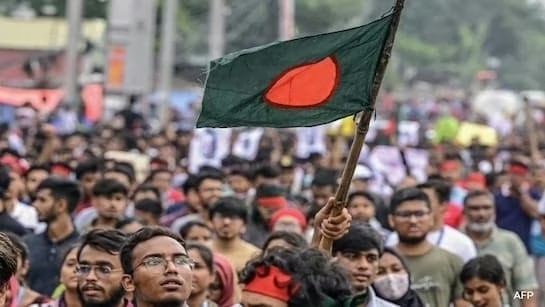
Police stopped a group of protesters marching towards the Indian High Commission in Dhaka’s Gulshan area on December 17, demanding the return of deposed prime minister Sheikh Hasina and others who fled during and after the July uprising last year.
In reaction to the developments in Dhaka, various Hindutva and civic organizations staged massive protests and rallies in front of the Bangladesh High Commission in New Delhi and the Deputy High Commission in Kolkata.
During these Indian protests, the Bangladeshi national flag was reportedly desecrated. Slogans were chanted demanding the protection of minorities in Bangladesh. Protest rallies continue to take place across various parts of India.
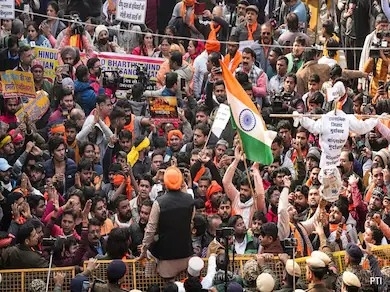
Hundreds of people gathered outside the Bangladesh High Commission in Delhi on December 22 to protest the lynching of a Hindu man, Dipu Chandra Das, in Bangladesh.
Alongside grassroots unrest, ‘tit-for-tat’ diplomatic measures have been adopted…
The Bangladesh Ministry of Foreign Affairs summoned Indian High Commissioner Mr. Pranay Verma to protest an attack on the Bangladesh Consulate in Agartala and what they termed as ‘misinformation’ spread by the Indian media. The Indian Ministry of External Affairs summoned the Acting High Commissioner of Bangladesh to demand the safety of minorities and the protection of Indian installations within Bangladesh.
Dhaka continues to view India’s repeated expressions of concern over the safety of Hindus as an interference in its internal affairs.
The surge of rumors and provocative information on social media is further heightening tensions among the general public of both nations. Currently, the suspension of general visa processing for travel between India and Bangladesh has left ordinary citizens- those seeking medical treatment or visiting family- in a state of extreme hardship.
International observers monitoring both nations believe that a healthy relationship between these two neighbors is essential for the geopolitical stability of South Asia. For now, both governments appear to be adopting a ‘Wait and Watch’ policy.
__________________________________________________________________________________________________
The Author:

Sheikh Arif: Panel Editor, Pressenza- Dhaka Bureau.