Toxics watchdog BAN Toxics once again warned the public about the presence of toxic chemicals such as mercury, lead, and cadmium in cheap lipsticks sold in local markets. This came after a recent market investigation conducted by the group on the sale of affordable lipsticks, with prices ranging from P50 to P70 per piece, sold by beauty shops and ambulant vendors in Caloocan, Malabon, Manila, Marikina, Pasay, Pasig, Pateros, and Taguig. The items have no market authorization from the Food and Drug Administration (FDA).
The group managed to purchase 45 matte lipstick samples to assess their compliance with health and safety standards, including the presence of toxic chemicals. Some of the products had incomplete or missing labeling information, raising concerns about the possible presence of hazardous substances. Notably, nine lipsticks listed propylparaben and methylparaben on their labels.
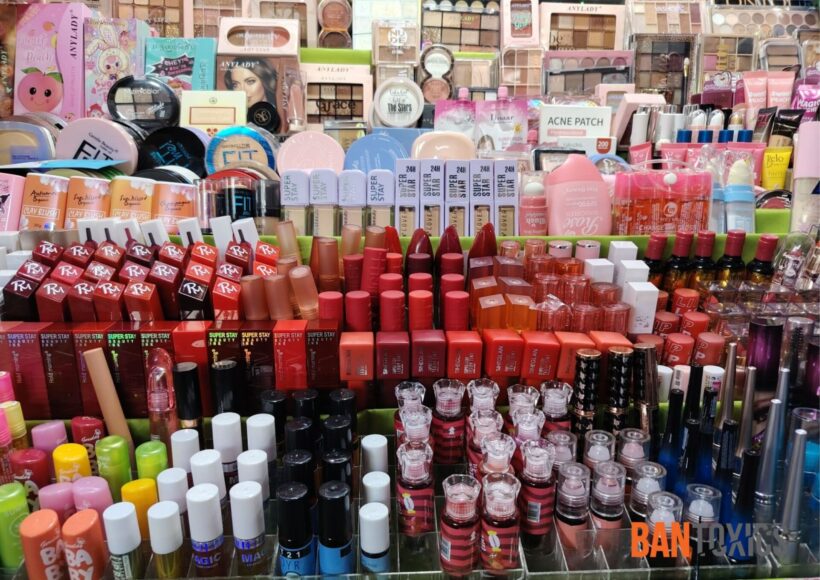
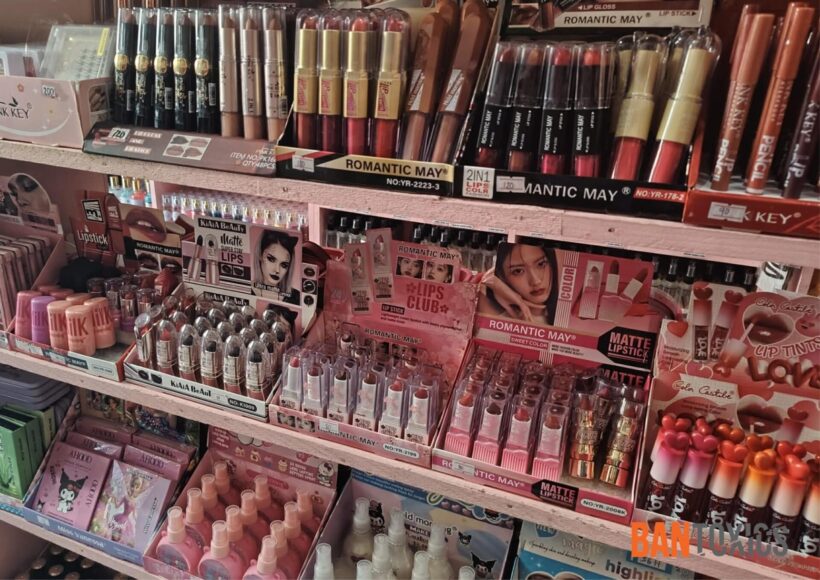
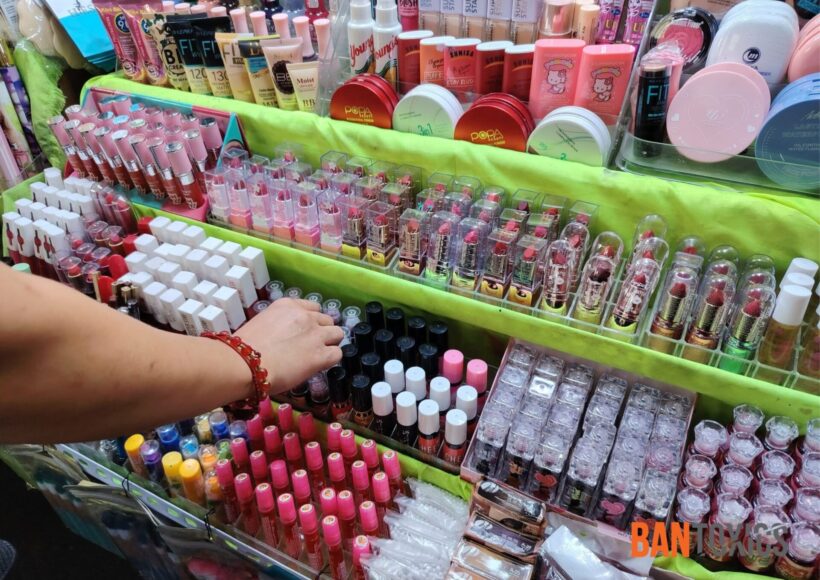
Using a Vanta C Series Handheld XRF Analyzer, the group tested the samples and discovered the presence of lead at levels of up to 120 parts per million (ppm), mercury up to 280 ppm, cadmium up to 114 ppm, and arsenic up to 36 ppm. All the samples contained three to four different hazardous substances, far exceeding the limits set by the ASEAN Cosmetics Directive under the ASEAN Guidelines on Limits of Contaminants for Cosmetics.
Citing the World Health Organization, BAN Toxics highlighted that lead exposure remains a serious global health threat. It is linked to approximately 1.5 million deaths annually, primarily from cardiovascular disease, and causes irreversible neurological and behavioral damage, especially in children. Young children absorb significantly more lead than adults, leading to reduced IQ, learning difficulties, and behavioral problems. Lead exposure also harms the developing fetus.
“Lead, mercury, cadmium, and other chemical substances are proven toxicants that accumulate in the body through continuous exposure and can pose risks to public health and the environment,” said Thony Dizon, Advocacy and Campaign Officer of BAN Toxics.
Parabens, one of the listed ingredients, are commonly used as preservatives in cosmetics. However, they are considered chemicals of emerging concern due to scientific findings suggesting their ability to disrupt the endocrine system. Prolonged exposure to these chemicals has been linked to hormone disruption, reproductive issues, an increased risk of cancer, and skin irritation.
Since 2013, the country’s Food and Drug Administration (FDA) has issued multiple public health warnings against unregulated cosmetic products, including lipsticks, as these may contain heavy metals such as lead used as pigments (colorants). Because these products have not undergone the FDA’s notification process, their quality and safety cannot be guaranteed, making them potential health hazards.
As an advocate of safe cosmetics, BAN Toxics urges regulatory agencies to step up enforcement actions against unregistered and unnotified beauty products and strengthen measures to protect the consuming public. The group further advises manufacturers to comply with the labeling requirements under the ASEAN Cosmetic Directive.
The required labeling information includes:
1. Product name (and its function, unless clearly indicated)
2. Ingredients (full listing in descending order)
3. Net content (weight or volume)
4. Instructions for product use (unless clear from the name or presentation)
5. Batch number
6. Special precautions (if any, including conditions of use and warnings)
7. Country of manufacture
8. Manufacturer or responsible person (name and address)
The group further advises the public to carefully read product labels and avoid those with incomplete ingredient lists, purchase only from reputable beauty shops, and verify a product’s registration status with the FDA to ensure safety.
Dizon added, “The public should be cautious when purchasing beauty products, as they may contain harmful chemicals such as lead, mercury, and other preservatives. If we are not sure if the cosmetic products are safe, it is better to avoid buying and using them and report them to the proper authorities.”
To enhance consumer safety, the group is pushing for greater transparency and traceability of hazardous chemicals in the manufacturing of cosmetic products and is advocating for the enactment of a Safe Cosmetics Law in the country.
Media contact: Thony Dizon, Advocacy and Campaign Officer, BAN Toxics