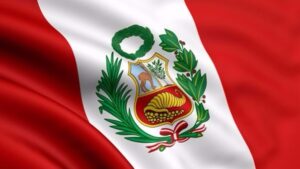
On July 28, Peru celebrates 205 years of independence and will usher in the second Fujimori administration in its history. In this context, Keiko Fujimori will be sworn in as president-elect and deliver her first address to the nation. The president-elect has noted that she is inheriting a country in crisis, with stalled public works projects and widespread public insecurity; however, part of this situation was created by the outgoing Congress, led by her Fuerza Popular caucus and its allies.
Fujimorism Heads the Executive Branch, Senate, and PCM
Last Sunday, the 26th, the Congress of the Republic held elections for the leadership of the Senate and Chamber of Deputies, amid cries of “treason” over a vote allegedly tainted by the opposition alliance. This outcome handed power to Fujimorism in the Senate, where Miguel Torres Morales (Fuerza Popular) took office as president, flanked by three vice presidents from the Fuerza Popular and Renovación Popular (right-wing) caucuses. Meanwhile, the Chamber of Deputies will be presided over by Congressman Oscar Reto Otero (Partido Buen Gobierno) and three vice presidents from the Juntos por el Perú, Ahora Nación, and Obras parties (left-wing allies).
Under the bicameral system, the Senate of the Republic will have key powers, such as serving as the final filter for bills approved by the Chamber of Deputies; furthermore, it cannot be dissolved by the President of the Republic and is responsible for appointing or ratifying members of the Constitutional Court, the Ombudsman’s Office, the Comptroller General, and directors of the Central Reserve Bank. The Senate will be presided over by Fuerza Popular and Renovación Popular.
It should be noted that, following the elections for the leadership bodies, various organizations—such as the Platform for Democracy—issued statements regarding alleged irregularities in the process. “The election of the leadership bodies of the Senate and the Chamber of Deputies cannot be marred by irregularities. The exclusion of the press, allegations of vote-buying, and intimidation of members of Congress represent a serious threat to democracy. We demand that these incidents be investigated and call for the defense of institutional integrity, transparency, and the rule of law,” they stated.
Keiko Fujimori also announced that on July 28 she will swear in the new Council of Ministers, which will be chaired by Fujimori ally Luis Galarreta; in addition, Elmer Cuba will serve as the new Minister of Economy and Finance (MEF), and Carlos Espá as the new head of the Ministry of Foreign Affairs.
The Public Takes to the Streets
In parallel with the official change of government, and under the slogan “Keiko does not represent me,” various organized civil society groups have called for a National March on July 28, in front of the Palace of Justice in downtown Lima, to protest against the new government and the current political and social crisis.
Relatives of the victims of repression, university students, feminists, environmentalists, youth groups, grassroots activists, labor unions, artists, and political parties are demanding: a new Constitution, justice for the families of the victims of the Merino and Boluarte regimes, an end to the privatization of education, and the repeal of pro-crime laws, among other demands.


